Thrown Out Every Door He Entered — Until He Owned the Building
There's a particular kind of education you can only get by being kicked out of a room. Not the sting of it — that fades. But the knowledge you carry away: who held the door, who gave the order, who looked at the floor. That map of power, drawn in humiliation, is worth more than any business school could offer.
Samuel Gompers learned it one dismissal at a time.
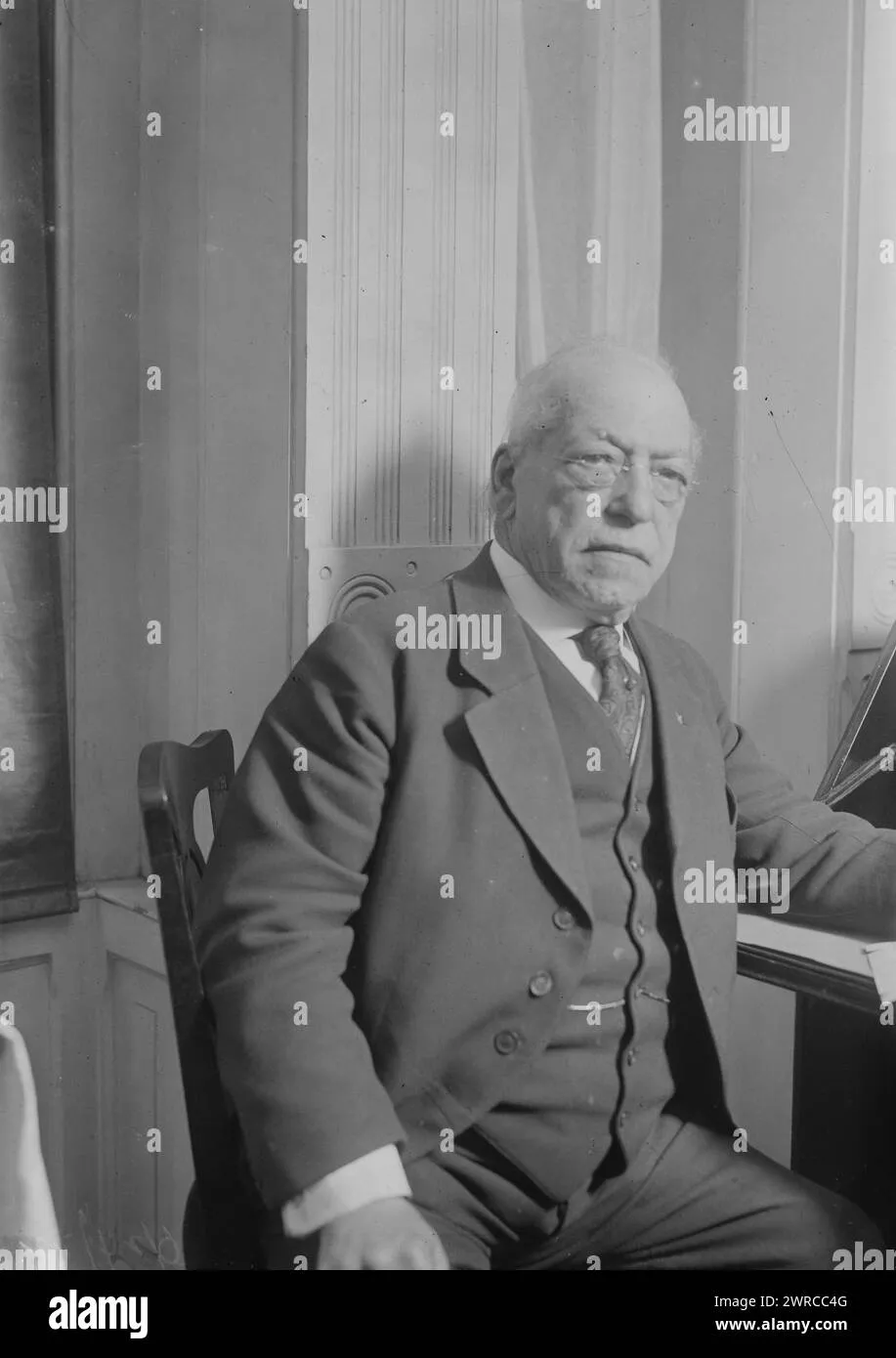 Photo: Samuel Gompers, via c8.alamy.com
A Cigar, a Tenement, and a Question Nobody Was Asking
Gompers arrived in New York City in 1863, a thirteen-year-old from London's East End with a cigar-rolling trade already in his hands and almost nothing else. His family settled into the Lower East Side — a neighborhood that smelled of boiled cabbage and ambition in roughly equal measure — and Gompers went to work in the tenement shops where cigars were hand-rolled on long communal tables.
 Photo: Lower East Side, via a.travel-assets.com
The work was intimate in a strange way. Rollers sat close together for hours, and it became common practice to have one man read aloud to the others — newspapers, pamphlets, political tracts — while everyone's hands stayed busy. Gompers listened. He absorbed. He started asking questions that made foremen uncomfortable.
The cigar trade in the 1860s and 1870s was being quietly dismantled by mechanization. Skilled workers who had taken years to develop their craft watched their wages collapse as factories brought in molds and unskilled labor to do what artisans had once done. The men around Gompers were angry. Most of them just didn't know what to do with that anger yet.
Gompers did.
Fired for the Crime of Organizing
He joined the Cigar Makers' International Union in his early twenties and immediately began agitating for higher wages, shorter hours, and safer conditions. This was not a popular hobby among employers. He was let go. He found work elsewhere and started again. Let go again.
Each firing followed the same script: Gompers would begin quietly, build trust among his coworkers, start talking about collective action, and then find himself standing on a sidewalk with his tools in a bag. The men who fired him thought they were solving a problem. They were, in fact, creating one much larger than themselves.
Because every time Gompers was pushed out, he had more time to think, more reason to organize, and more evidence for the argument he was building. The argument was simple but radical for its era: working people needed a permanent institution that could negotiate on their behalf, accumulate political leverage, and outlast any single employer's ability to intimidate them.
The Architecture of Defiance
In 1881, Gompers helped found what would eventually become the American Federation of Labor. By 1886, he was its president — a position he would hold, with one brief interruption, for nearly four decades.
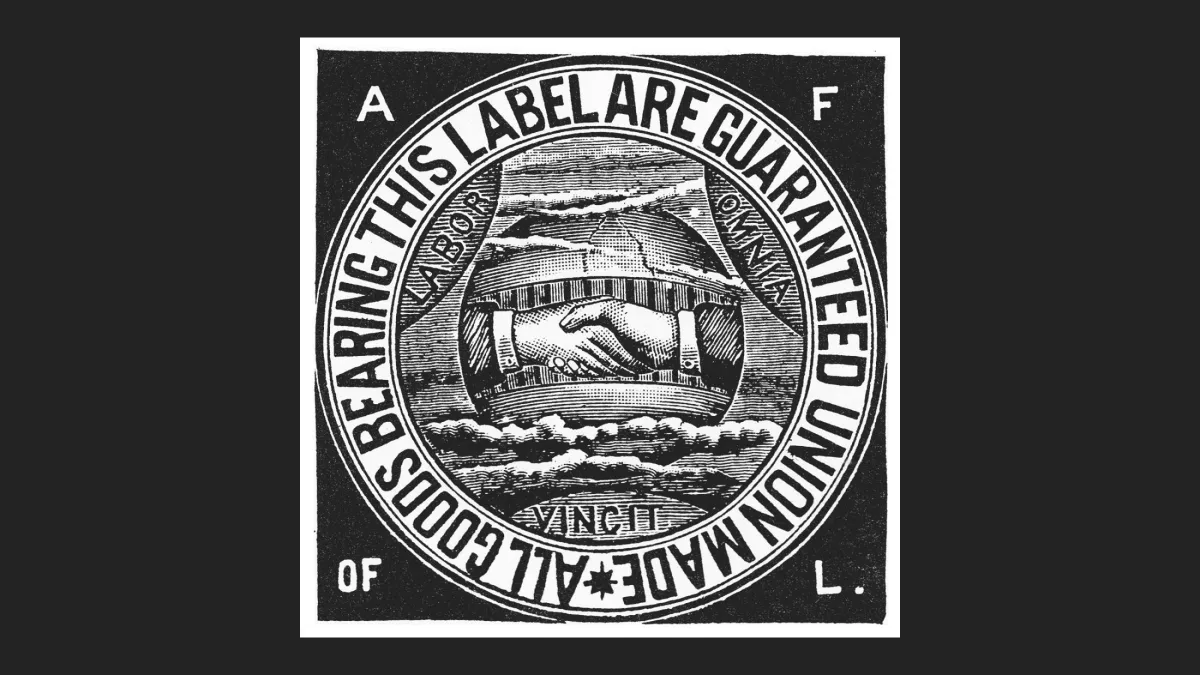 Photo: American Federation of Labor, via www.departmentofinformation.org
What made the AFL different from earlier labor efforts wasn't ideology. Gompers was famously skeptical of grand political theories. When asked what labor wanted, he gave an answer so simple it became legendary: More. More wages. More hours of leisure. More dignity on the job. He wasn't trying to overthrow capitalism. He was trying to make it pay its workers fairly.
This pragmatism drove idealists crazy. It also made the AFL durable in ways that more radical movements were not. Gompers understood — because he had watched it happen from the factory floor — that employers held power through control of information, access, and the ability to replace any single worker. The only counter to that was solidarity built on mutual self-interest, not abstract principle.
He built the AFL like a man who had studied every lock he'd ever been locked out of.
What the Foremen Never Understood
There is a certain irony embedded in the story of Samuel Gompers that his former bosses never lived long enough to appreciate. Every time they fired him for organizing, they were trying to protect a system. What they were actually doing was sending their most dangerous opponent back into the world with more knowledge, more grievance, and more time to build the thing they feared.
By the early twentieth century, the AFL represented millions of American workers. Gompers sat at the table with presidents. He testified before Congress. He helped shape wartime labor policy during World War I. The man who had been escorted off factory floors as a troublemaker was now the person powerful men called when they needed labor to cooperate.
The factory floors hadn't changed much. The power in them had.
Genius That Grows From the Ground Up
What Gompers built wasn't just a union. It was a proof of concept — the demonstration that working people, organized and persistent, could accumulate power in a system designed to disperse it. That idea echoes through every labor negotiation, every workplace protection, every weekend you've ever had off.
He never went to college. He never managed a company. He learned everything he knew about power from the people who used it against him.
There's a lesson in that — not just for labor history, but for anyone who has ever been told that the room they're standing in isn't meant for them. Sometimes the people doing the excluding are doing you the favor of showing you exactly how the whole structure holds together.
And once you know that, you can build something they can't fire you from.
Gompers died in 1924, still president of the organization he had spent his life constructing. He was seventy-four years old, and he had never stopped being a cigar maker's son from the Lower East Side — a man who learned the architecture of American power one dismissal at a time, and spent the rest of his life redesigning it from the outside in.