Handed the Grenade: Five Americans Who Were Set Up to Fail — and Blew Everyone's Mind Instead

Photo: underdog athlete determination comeback sports arena dramatic moment, via img.freepik.com
Handed the Grenade: Five Americans Who Were Set Up to Fail — and Blew Everyone's Mind Instead
There's a particular kind of cruelty that hides behind the language of opportunity. We're giving you a shot. This is your chance to prove yourself. Sometimes those words are genuine. And sometimes they're a polite way of handing someone a live grenade and stepping back to watch.
American history is full of moments where a person was assigned an impossible task — by a threatened rival, a dismissive boss, a circumstance designed to break them — and turned it into the defining achievement of their life. What follows are five of those stories. They're not neat parables. They're messier and more human than that. But they share a common thread: the people who thought the assignment would end these careers were wrong in ways they never fully recovered from.
1. The General Nobody Wanted — Ulysses S. Grant at the Western Theater
By the spring of 1862, Ulysses Grant's military career was essentially over — at least by the judgment of the people in charge of it. He'd been accused of drinking, sidelined by his own commanding officer, and was widely considered a liability. When he was restored to command and sent to take Fort Donelson in Tennessee, the assignment was viewed by many in the Union hierarchy as a way of keeping him occupied rather than a genuine strategic gambit.
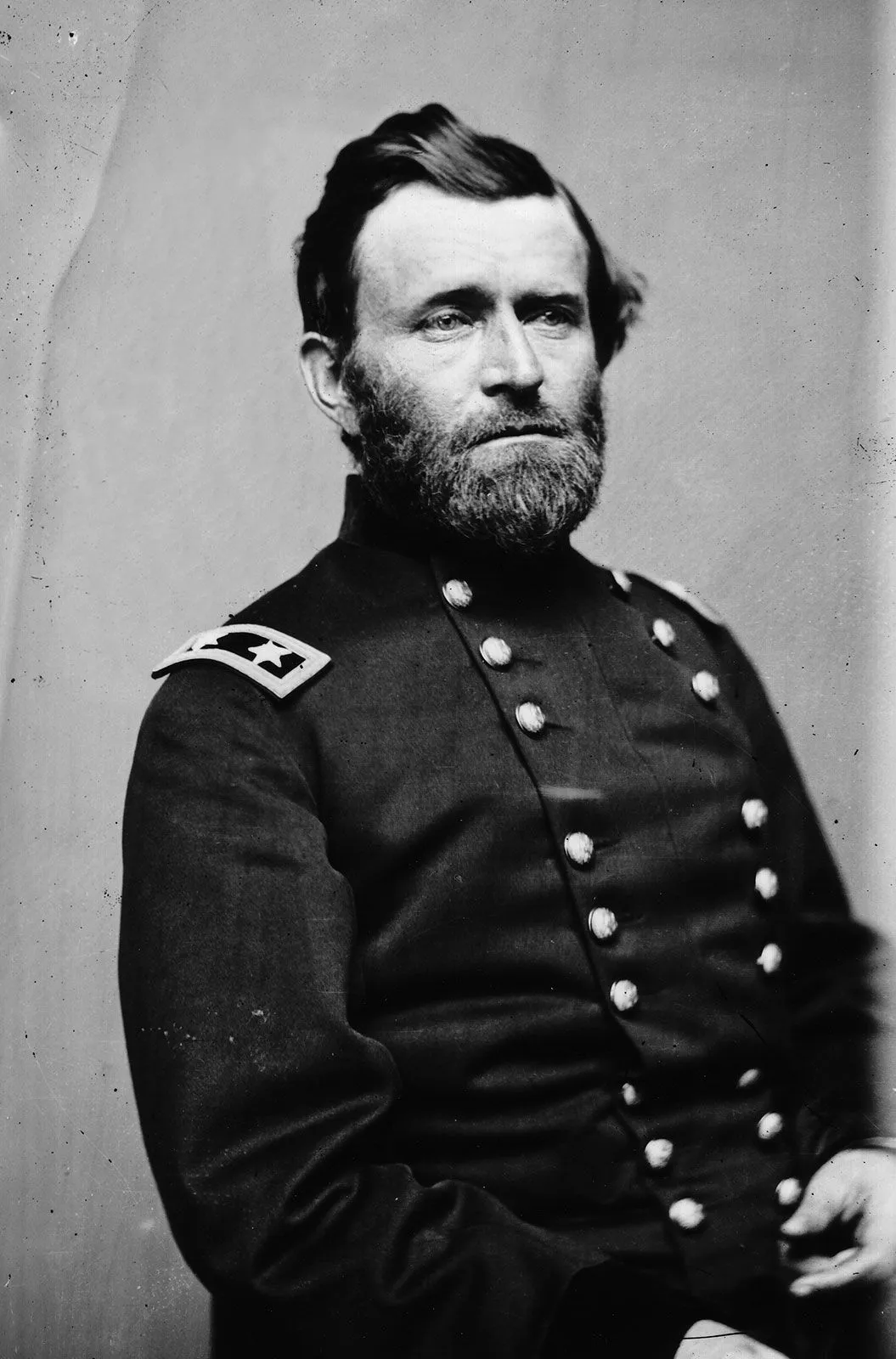 Photo: Ulysses S. Grant, via cdn.britannica.com
Fort Donelson was heavily fortified, defended by experienced Confederate commanders, and positioned in winter terrain that was brutal to operate in. Grant's orders were vague. His resources were not overwhelming. The implicit message from the chain of command was: go do something out of the way and try not to embarrass us.
What Grant delivered instead was the Union's first significant military victory of the Civil War — a surrender of more than 12,000 Confederate troops and a strategic breakthrough that opened the entire Western Theater. His response to the Confederate commander's request for armistice terms became one of the most famous lines of the war: No terms except an unconditional and immediate surrender can be accepted.
The people who had assigned him that campaign to get him out of the way had handed him the stage he needed. He never left it.
2. The Coach Handed a Graveyard — Paul "Bear" Bryant at Kentucky
When Bear Bryant arrived at the University of Kentucky in 1946, he wasn't walking into a sleeping giant. He was walking into a program that the school's administration treated as an afterthought — a football operation that existed in the enormous shadow of the basketball program run by the legendary Adolph Rupp. Football at Kentucky wasn't a priority. It was an obligation.
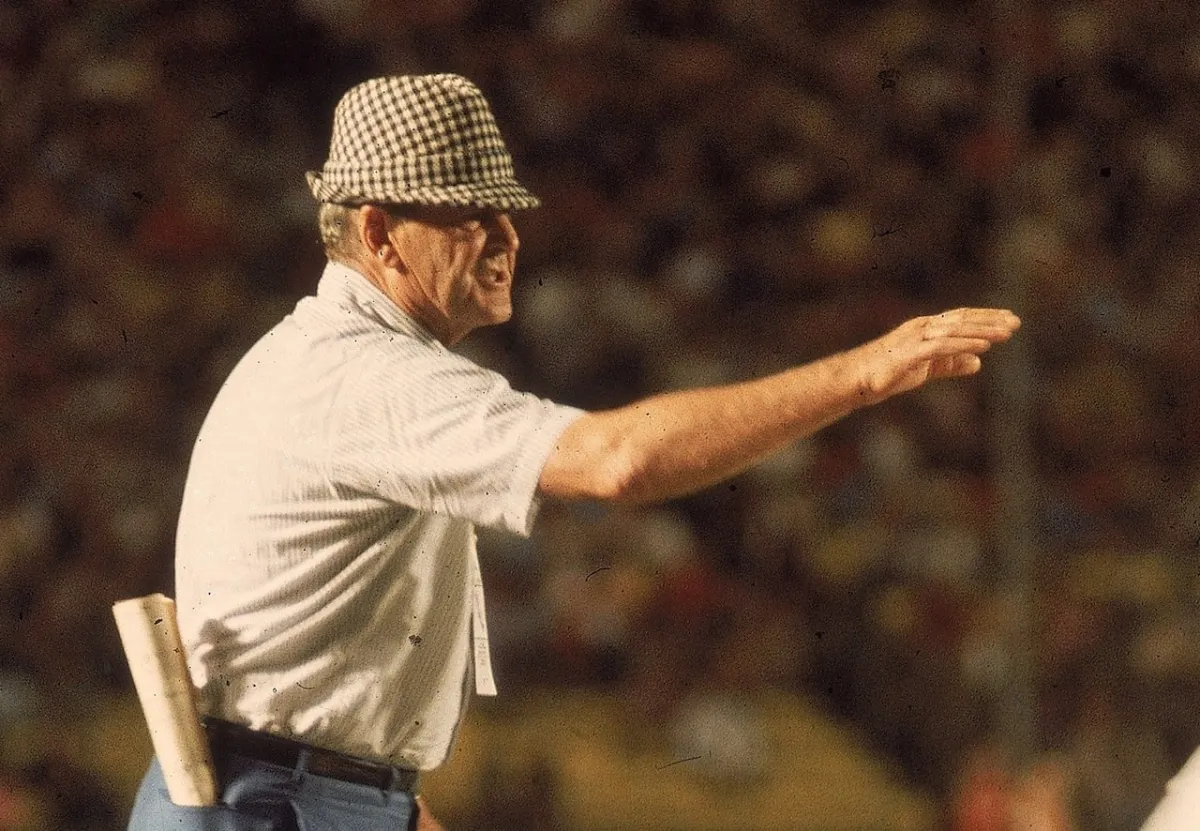 Photo: Paul "Bear" Bryant, via www.al.com
Bryant was young, unproven at the head coaching level, and had been given a program that most serious coaching candidates had passed on. The implicit message from the administration was that football would always be secondary, that resources would always be scarce, and that success would always be defined relative to the ceiling someone else had set.
Over eight seasons, Bryant rebuilt Kentucky football into a program that went to bowl games and, in 1950, produced an undefeated regular season. He did it with recruiting intensity, physical conditioning standards that were considered extreme at the time, and a refusal to accept the limitations the institution had pre-assigned to him.
He eventually left for Texas A&M — and then Alabama, where he became the most celebrated college football coach in American history. But the crucible was Kentucky. The graveyard where nobody expected anything is where he learned how to build something from nothing.
3. The Negotiator Sent Into the Impossible — Jimmy Carter at Camp David
When Jimmy Carter convened the Camp David Accords in September 1978, virtually no serious foreign policy observer believed he could succeed. Egyptian President Anwar Sadat and Israeli Prime Minister Menachem Begin had arrived with positions so entrenched that veteran diplomats privately described the summit as a photo opportunity dressed up as a negotiation.
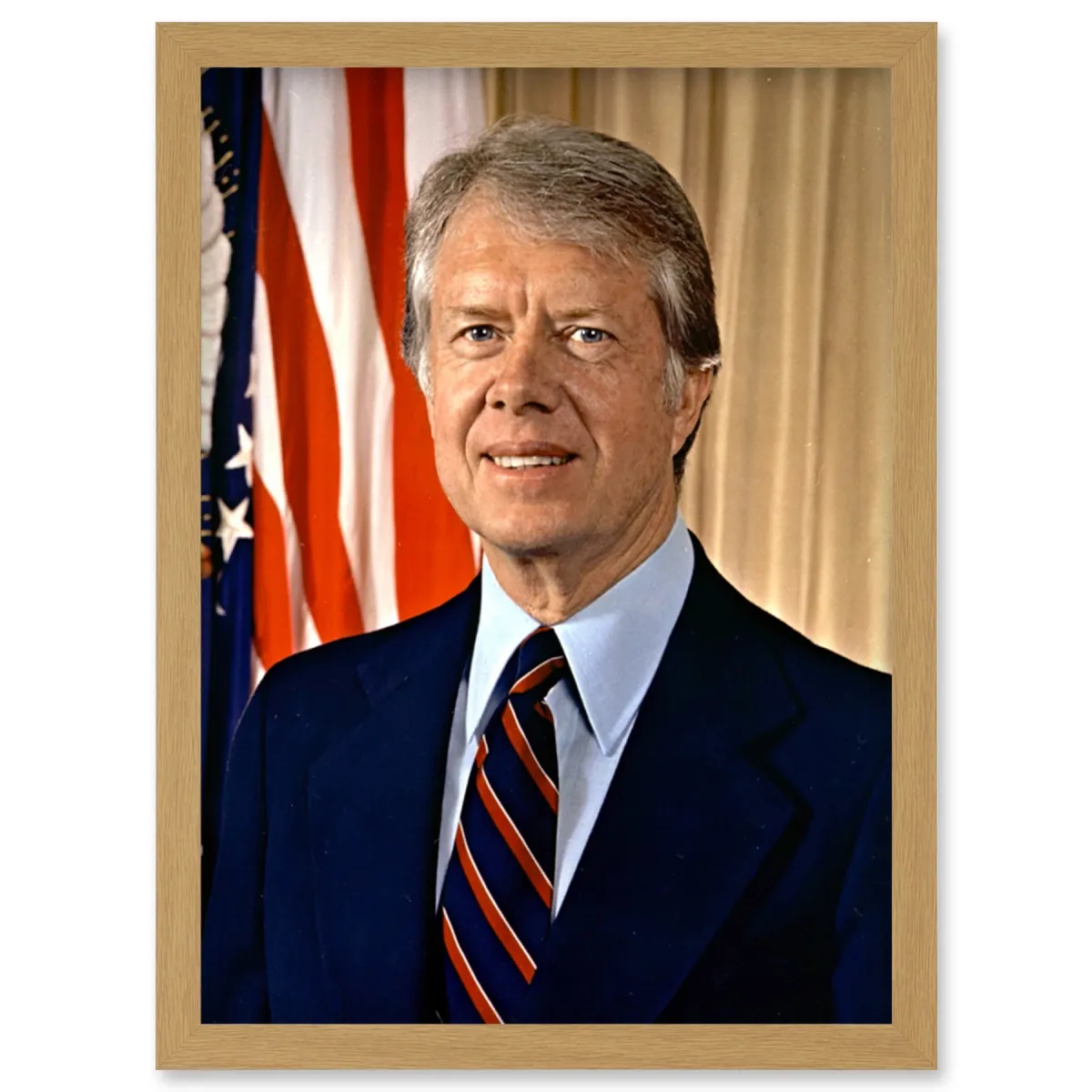 Photo: Jimmy Carter, via i5.walmartimages.com
Carter's political standing was fragile. His foreign policy team was divided. The conventional wisdom — shared loudly by critics on both sides of the aisle — was that a president with Carter's limited diplomatic track record had no business attempting a negotiation this complex. The assignment, in the eyes of many, was one he had given himself as a way of generating political momentum, and the failure would be spectacular and public.
Thirteen days later, Carter had achieved something that decades of professional diplomacy had failed to produce: a framework for peace between Egypt and Israel that would hold for decades. He did it through a combination of relentless personal engagement, meticulous preparation, and a willingness to put his own political capital on the line in ways that more cautious operators would never have risked.
The people who predicted disaster had underestimated one thing: what a man with nothing left to lose and everything to prove is willing to do in a room with the door closed.
4. The Rookie Assigned the Case That Would Break Her — Erin Brockovich
In 1993, Erin Brockovich was a twice-divorced mother of three with no law degree, no formal legal training, and a job as a file clerk at a small California law firm. When she stumbled onto a set of medical records mixed in with real estate files for a case in Hinkley, California, she pushed to investigate further. Her boss, attorney Ed Masry, let her pursue it — in part, by most accounts, because nobody expected it to go anywhere.
What she was being handed, in practical terms, was a dead end. A small contamination complaint in a desert town, with a defendant — Pacific Gas and Electric — that had virtually unlimited legal resources and a long history of making exactly these kinds of cases disappear.
Brockovich worked it anyway. She drove to Hinkley herself. She sat in residents' kitchens and listened. She built trust with a community that had every reason to distrust lawyers and legal processes. And she assembled, piece by piece, one of the most significant environmental cases in California history — a $333 million settlement that remained, at the time, the largest ever paid in a direct-action lawsuit in American history.
The assignment that was meant to keep her busy became the thing she's known for everywhere on earth.
5. The Quarterback Nobody Drafted — Kurt Warner in the Arena League
In 1994, Kurt Warner went undrafted out of Northern Iowa — a small program, an unremarkable combine showing, no real buzz. He was cut by the Green Bay Packers before ever playing a regular-season NFL game. He stocked shelves at a grocery store in Iowa for $5.75 an hour. He played in the Arena Football League because it was the only professional football available to him.
The Arena League assignment was, in the eyes of NFL scouts and front offices, the end of the conversation. Players who washed out to the Arena League didn't come back. That was the conventional wisdom, and it was backed by decades of precedent.
Warner came back. He made the St. Louis Rams' roster as a backup, got his chance when starter Trent Green went down with a knee injury in the 1999 preseason, and proceeded to lead the Rams to a Super Bowl championship in what became known as the Greatest Show on Turf — one of the most explosive offenses in NFL history. He was named Super Bowl MVP. He was named NFL MVP. He went to the Pro Bowl.
He did it after stocking grocery shelves. After the Arena League. After every door that was supposed to stay closed.
What connects these five stories isn't luck, exactly — though luck played a role in each of them, as it does in everything. What connects them is the way each person responded to an assignment that was designed, consciously or not, to mark the boundary of what they were allowed to be.
They ignored the boundary. They did the work. And the people who handed them the grenade never quite explained afterward how they'd managed to miss the throw.