The People Nobody Noticed — Who Quietly Kept America's Greatest Missions Alive
The People Nobody Noticed — Who Quietly Kept America's Greatest Missions Alive
There's a particular kind of invisibility that comes with a mop and a uniform. You move through spaces that matter enormously — control rooms, research labs, hospital corridors — and nobody really sees you. You're furniture. Background noise. Part of the building.
But here's what the people who designed those buildings didn't account for: the person cleaning the floor at 2 a.m. knows things nobody else does. They know which pipe always sweats before a pressure drop. They know which circuit breaker smells faintly of burning on cold mornings. They know the building the way a doctor knows a patient — not through charts, but through years of quiet, daily contact.
And sometimes, that knowledge saves lives.
The Night Shift and the Space Race
When Apollo 13 limped back toward Earth in April 1970 — its oxygen tank blown, its crew rationing power in a crippled capsule — the story the world remembers is one of brilliant engineers working sleepless hours in Houston to bring three men home. That story is true. It's also incomplete.
What tends to get lost in the retelling is the ecosystem of people who kept NASA's facilities functional enough for those engineers to do their work. The custodial staff, the maintenance crews, the overnight workers who understood the physical infrastructure of mission control in ways that no diagram fully captured. These were people who had spent years moving through the building after everyone else went home — noticing the things that daytime attention missed.
At NASA's facilities during the Apollo era, maintenance workers repeatedly flagged issues with equipment and environmental systems that formal inspection protocols had overlooked. Their reports weren't always written up in official logs. Their observations weren't always invited. But in several documented instances, the concerns raised by non-credentialed support staff — people whose job description had nothing to do with aerospace engineering — prompted investigations that caught real problems before they became catastrophic ones.
The broader lesson from Apollo 13 isn't just about ingenuity under pressure. It's about who actually understands a complex system when that system is stressed. And the answer, more often than the official histories admit, includes people whose names never made it into the mission debrief.
Proximity Is Its Own Kind of Intelligence
In medicine, the same pattern shows up repeatedly. Nurses and orderlies — the people with the most direct, sustained contact with patients — have a long history of catching what physicians miss on rounds. Florence Nightingale understood this intuitively, which is part of why her statistical reforms of the 1850s focused so heavily on the observations of frontline staff rather than senior medical opinion.
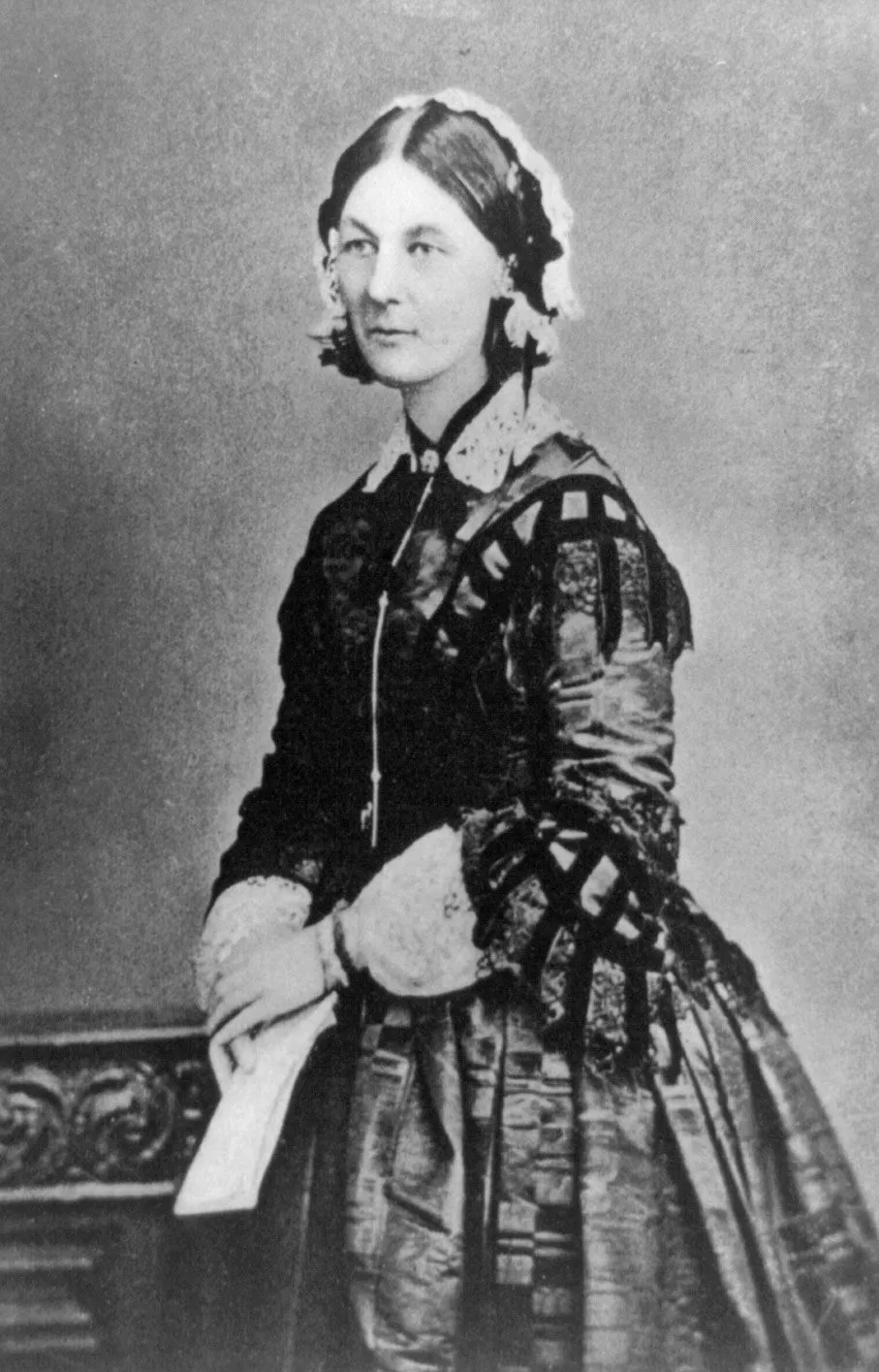 Photo: Florence Nightingale, via cdn.britannica.com
In American hospitals throughout the 20th century, the people responsible for cleaning patient wards and sterilizing equipment were often the first to notice when infection rates spiked in particular rooms, on particular shifts, following particular procedures. Their observations were rarely solicited. But the ones who spoke up anyway — who pulled aside a sympathetic nurse or scrawled a note to a supervisor — sometimes triggered the kind of investigative response that prevented outbreaks from spreading.
This isn't a romantic argument that formal training doesn't matter. It absolutely does. But training gives you frameworks. Proximity gives you data. And the most dangerous blind spot in any complex institution is the assumption that the people with the most credentials automatically have the most relevant information.
The Infrastructure Underground
America's great infrastructure projects of the 20th century — bridges, tunnels, dams, urban transit systems — were designed by engineers and built by laborers. But they were kept alive, year after year, by maintenance workers who developed an almost intuitive relationship with the physical systems in their care.
The men and women who maintained the New York City subway in its mid-century decades — the crews who walked the tunnels at night, who listened for sounds that didn't belong, who noticed when a section of track was wearing unevenly — carried knowledge that no engineering manual fully contained. Several major structural interventions in the city's transit history were triggered not by formal inspection but by a maintenance worker who noticed something was wrong and wouldn't let it go.
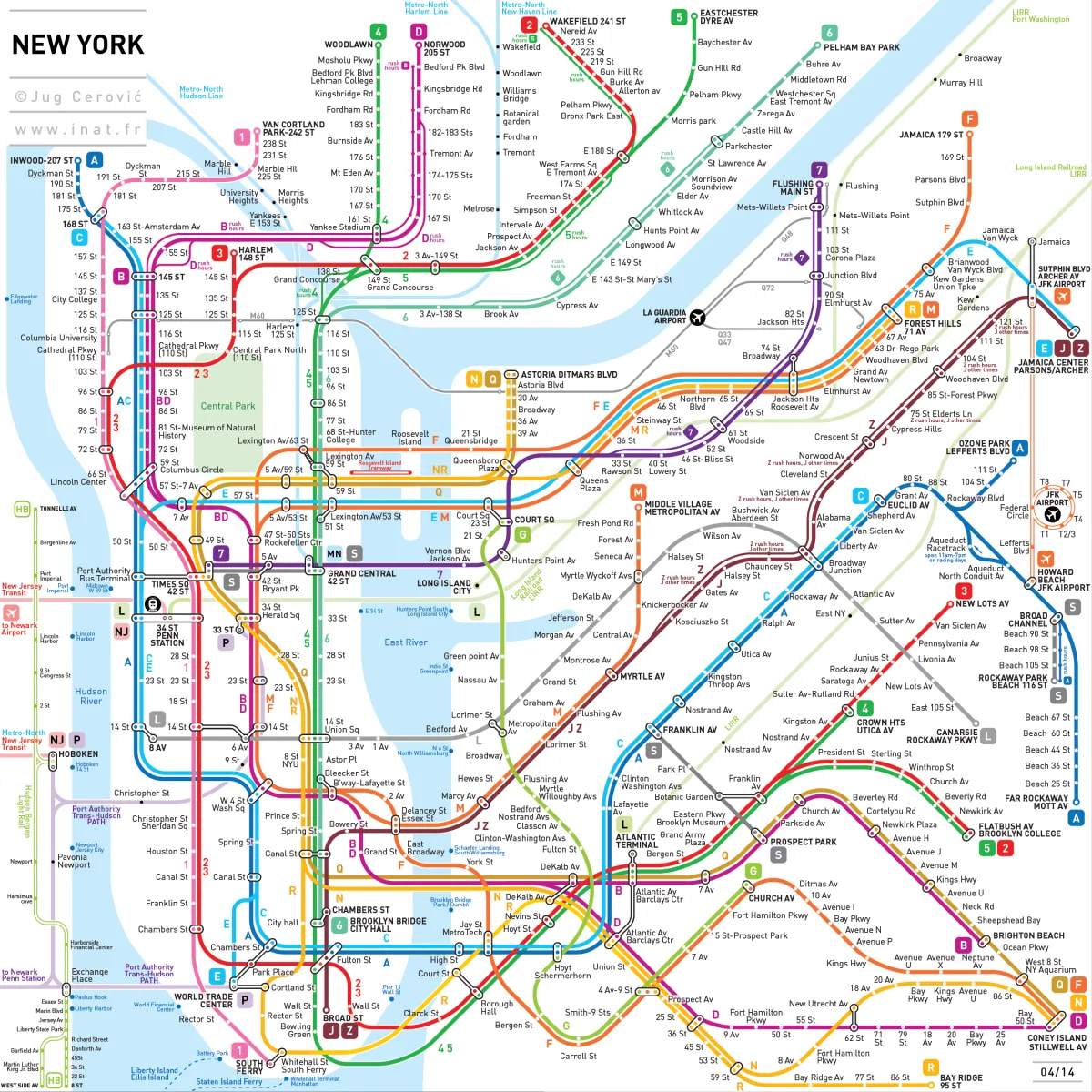 Photo: New York City subway, via pluspng.com
The same was true of the workers who maintained the massive hydroelectric infrastructure of the Tennessee Valley Authority. Custodial and maintenance staff at TVA facilities developed deep familiarity with the physical behavior of systems that were, in engineering terms, extraordinarily complex. Their observations, when they were captured and acted upon, contributed to a safety record that formal engineering alone couldn't fully explain.
What Underestimation Actually Costs
There's a cost to treating support staff as invisible, and it isn't just a matter of fairness or dignity — though it's absolutely both of those things. The real institutional cost is informational. When you design a system that only values input from credentialed experts, you systematically exclude the people with the most granular, real-time knowledge of how that system actually behaves.
NASA learned versions of this lesson repeatedly across the Apollo program and beyond. The Challenger disaster investigation revealed, among many other things, that concerns raised by people outside the senior engineering hierarchy had been systematically filtered out of the decision-making process. The people closest to the problem — in this case, engineers at lower levels of the organizational chart — had information that never reached the people making the call.
The custodial and maintenance workers represent an even more extreme version of the same dynamic. Their knowledge is real. Their proximity is genuine. But the institutional architecture of most elite organizations makes it almost impossible for that knowledge to travel upward to where decisions get made.
The Names We Don't Remember
History, by its nature, names the people who were already visible. The commanders, the engineers, the executives. The people who were in the room where the official decisions happened.
But the rooms where the unofficial decisions happened — where someone noticed something wrong and decided to say so, despite having no formal authority to do so — those rooms were often being cleaned by someone whose name never made it into the record.
That's the story that keeps getting written out of the official version. Not because it isn't true, but because the infrastructure of historical memory tends to follow the same hierarchies as the institutions it's documenting.
The janitor's blueprints, to borrow a phrase, aren't stored in any archive. They exist in the accumulated, embodied knowledge of people who spent years paying attention to things that mattered — in buildings full of people who were too busy paying attention to other things to notice.
Maybe the most honest thing we can say about how America's greatest institutions actually function is this: the official story and the real story have always had a gap between them. And in that gap, more often than anyone has properly acknowledged, you'll find someone in a uniform, carrying a mop, who knew exactly what was wrong — and either found a way to say so, or didn't, depending on whether anyone was willing to listen.