The Man Who Couldn't Get His Words Out — And Sold America on Everything
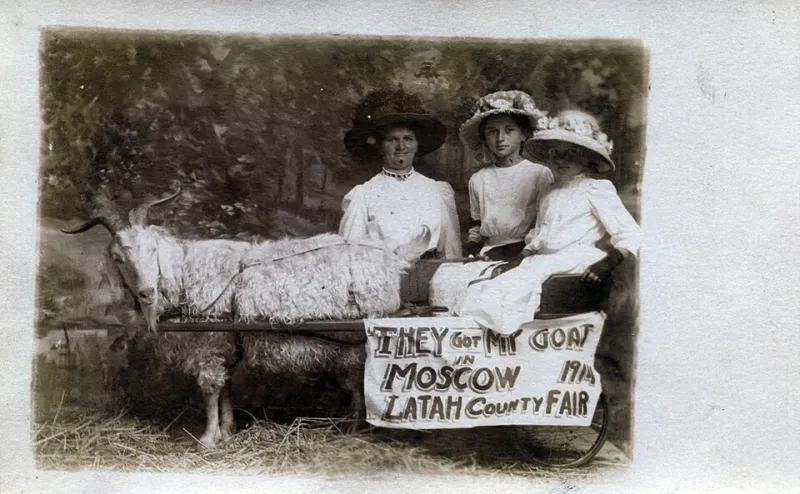
Photo: Steve Shook from Moscow, Idaho, USA, CC BY 2.0, via Wikimedia Commons
The Man Who Couldn't Get His Words Out — And Sold America on Everything
Picture a county fair in the rural Midwest, sometime in the 1880s. The smell of sawdust and frying dough. A canvas tent, a wooden platform, a crowd of farmers and their families looking for something to hold their attention between the livestock judging and the pie contest.
Now picture the man on the platform: young, nervous, sweating through his collar, opening his mouth to begin his pitch — and stopping. Starting again. Stopping. The stammer so bad that the first syllable of every sentence becomes a small private battle, fought in public, in front of people who paid a nickel to be entertained.
Most men would have climbed down from that platform and never gone back.
Doc Kelley climbed up higher.
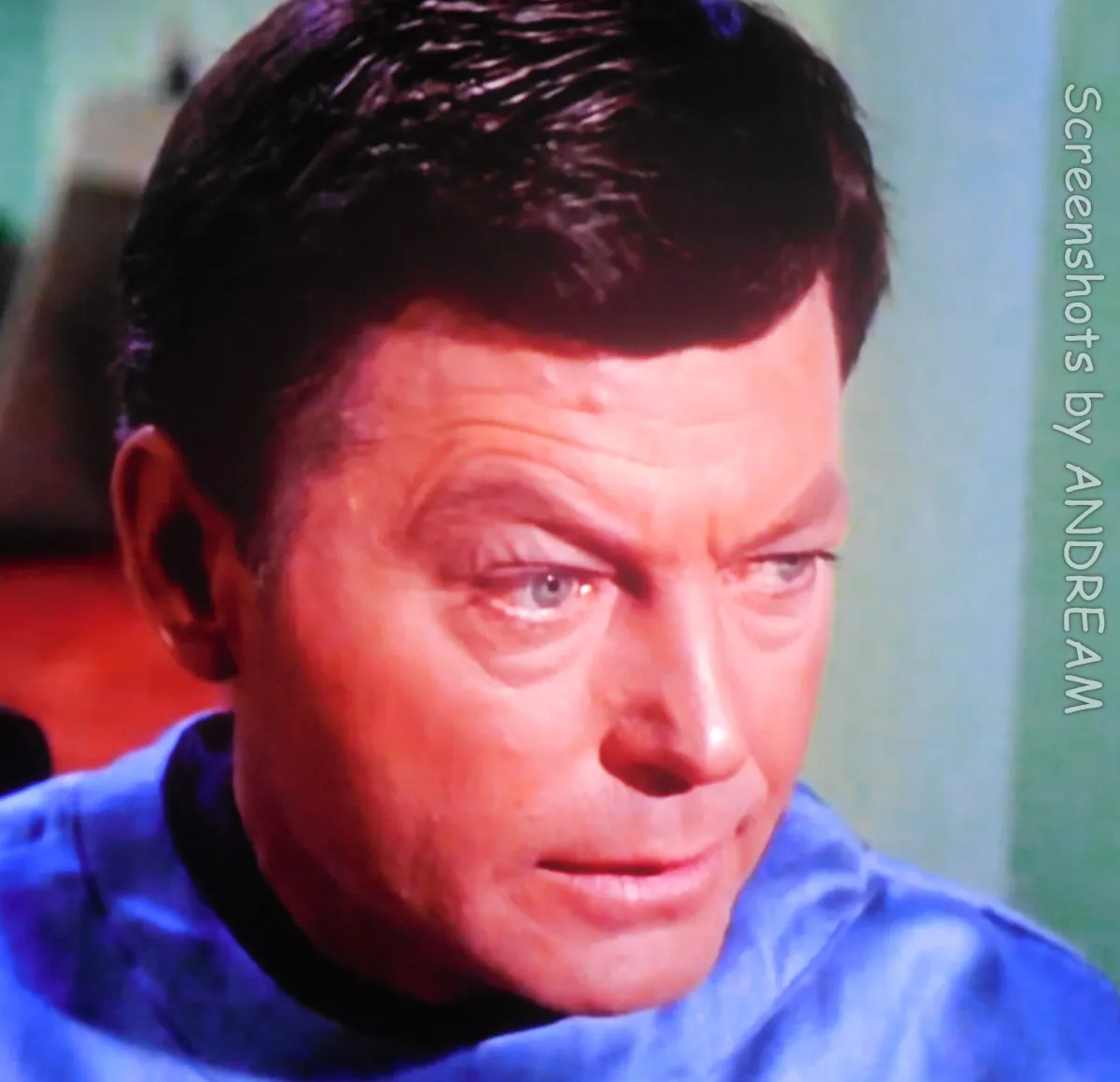 Photo: Doc Kelley, via i.pinimg.com
The Wrong Man for the Job
The details of Kelley's early life are scattered across the historical record the way most carnival histories are — partial, disputed, and wonderful. What's clear is that he came from modest circumstances in the Ohio River Valley, developed a stammer in childhood that conventional wisdom said made him unsuited for any kind of public speaking, and somehow ended up as a traveling pitchman anyway.
 Photo: Ohio River Valley, via www.touristsecrets.com
The story goes that he stumbled into his first auction-style pitch almost by accident, filling in for a no-show barker at a small agricultural fair. He had goods to move — patent medicines, household novelties, the kind of cheerful junk that rural families couldn't find at the general store — and absolutely no business being the one to sell them.
But something strange happened. The stammer, which should have killed the pitch, turned it into theater. People leaned in. They waited for the next word with the same tension you'd feel watching a tightrope walker. When Kelley finally landed a sentence cleanly, the crowd felt the relief of it like a shared exhale. And then they laughed. And then they reached for their wallets.
Chaos as a Sales Technique
Kelley didn't just stumble onto a gimmick. Over the years that followed, he developed something more sophisticated: an entire performance philosophy built around unpredictability, audience participation, and the electric tension of not knowing what would happen next.
He would start an auction, lose his place, recover with a joke. He'd bring audience members onto the platform, hand them objects, ask them questions he knew they couldn't answer. He'd build the price of a simple item — a pocket watch, a set of kitchen knives — through a rhythm of false starts and sudden lunges forward that kept the crowd in a state of suspended anticipation.
Modern behavioral economists have a name for what Kelley was doing instinctively. He was manufacturing scarcity signals, creating social proof through crowd participation, and using the drama of his own speech impediment to make every completed sentence feel like a reward. He was hacking the human brain in a canvas tent in 1887.
He just called it putting on a show.
From the Fairground to the Format
What Kelley and the generation of pitchmen he influenced created wasn't just a sales technique. It was a format — a specific structure for commercial entertainment that would prove remarkably portable across the next century and a half of American media.
The traveling medicine show became the radio product demonstration. The radio demonstration became the television infomercial. The infomercial became the home shopping channel. The home shopping channel became the live-stream commerce that now moves billions of dollars of merchandise every year through platforms that would have baffled Doc Kelley entirely — but would have delighted him completely.
Every time a QVC host builds suspense around a countdown clock, every time a pitchman at a state fair draws a crowd by pretending to struggle with a demonstration, every time a late-night infomercial uses audience reaction shots to sell a kitchen gadget — that's the format. Kelley's format. Born from a stammer and a nickel admission and a crowd of Ohio farmers who came to be entertained and left having bought something.
The Deeper Accident
What's remarkable about Kelley's story isn't just the commercial lineage it spawned. It's what it reveals about the nature of charisma and persuasion in American culture.
We tend to imagine that great salesmanship is about polish — the smooth voice, the perfect pitch, the confidence that never wavers. Kelley proved the opposite. His power came precisely from his imperfection. His stammer made him human in front of a crowd. His stumbles made his recoveries feel like shared victories. His chaos made his moments of clarity feel like gifts.
American popular culture, it turns out, has always been more comfortable with the imperfect showman than the slick one. We root for the stumbler. We trust the guy who sweats a little. We buy from the person who seems surprised that it's working.
Kelley didn't know any of that. He just needed to pay his rent and couldn't find another line of work that would have him.
The Blueprint Nobody Signed
There's no Kelley Museum. No historical marker on the fairground where he first took the platform. The history of American commercial entertainment tends to credit the networks and the corporations and the executives who scaled the format — not the stammering Ohio pitchman who invented it in a tent.
But the format is his. The rhythm of build-and-release, the crowd as participant rather than audience, the vulnerability weaponized as connection — all of it traces back to a man who couldn't get his first word out cleanly and discovered, to everyone's surprise including his own, that this was exactly what people wanted to watch.
America has always loved a spectacle. It just needed someone imperfect enough to show it how.