She Dug Graves Before She Dug Into Courtrooms — And She Never Lost Her Edge
There's a particular kind of courage that no classroom can manufacture. You either come by it honestly — through loss, through labor, through staring down the worst life can throw at you — or you don't have it at all. Dovey Johnson Roundtree had it in abundance, and she came by every ounce of it the hard way.
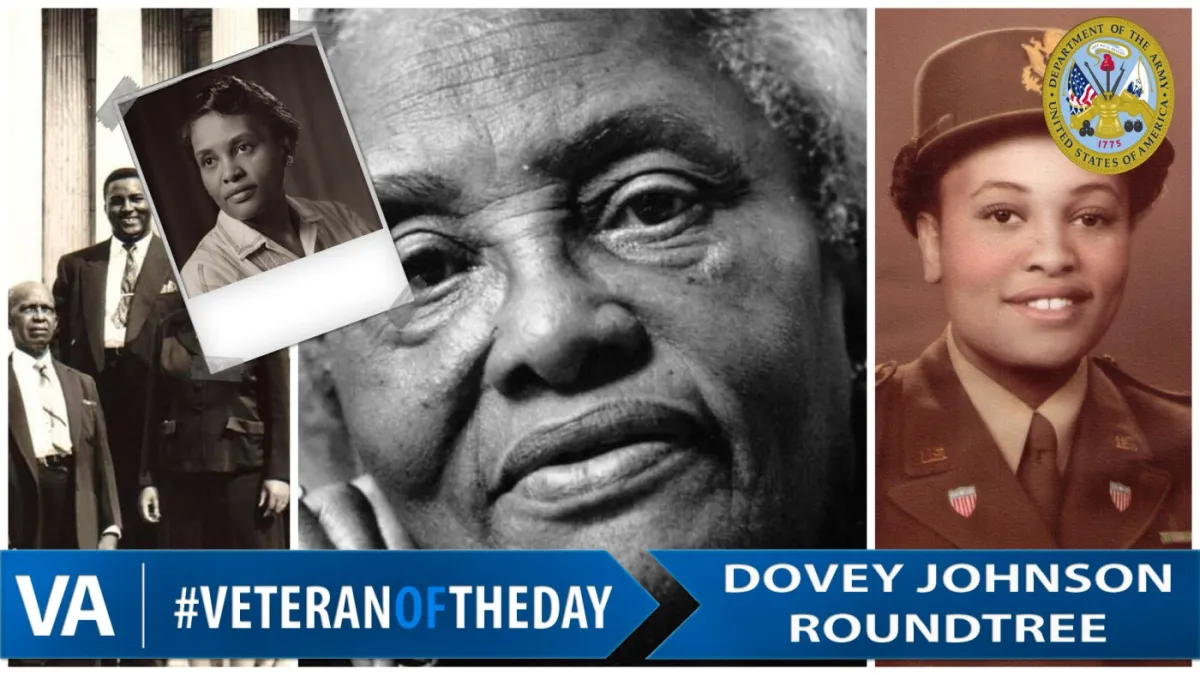 Photo: Dovey Johnson Roundtree, via news.va.gov
She was born in 1914 in Charlotte, North Carolina, the granddaughter of a woman who had survived the tail end of Reconstruction and carried its lessons like armor. When Dovey's father died young and the family unraveled financially, she and her grandmother moved to rural Georgia, then Mississippi, scratching out a living however they could. That included digging graves. Not metaphorically. Literally — breaking earth in the Southern heat to bury neighbors, strangers, and sometimes people they loved, for whatever a grieving family could spare.
Most people would call that a tragedy. Dovey called it her education.
The School That Death Built
There's something clarifying about working in a cemetery when you're still a child. You learn quickly that life is short, that dignity matters regardless of what you own, and that the people who get remembered are the ones who showed up when it counted. Dovey absorbed all of that before she ever set foot in a real classroom.
She was a brilliant student — the kind of mind that teachers noticed and tried to protect — and she eventually made her way to Spelman College in Atlanta on sheer determination. But Spelman wasn't just a school for her. It was the first place she ever heard someone suggest that a Black woman could be something the world hadn't yet made room for. Her mentor there, the legendary educator Mary McLeod Bethune, told her exactly that. Dovey believed it.
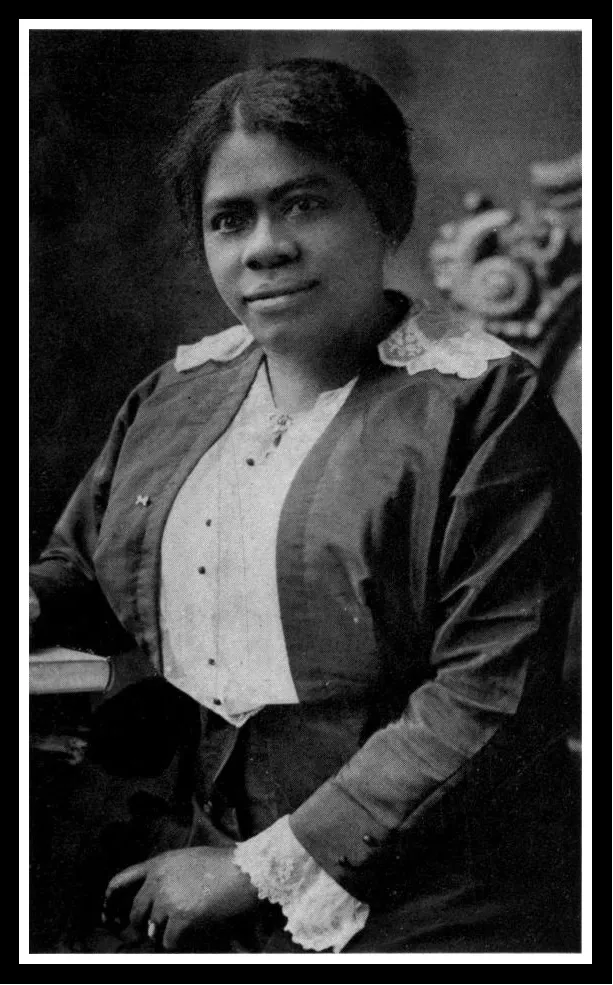 Photo: Mary McLeod Bethune, via thehistorychicks.com
What came next was one of the stranger paths to legal greatness in American history.
The Army Didn't Know What It Had Started
During World War II, Dovey enlisted in the Women's Army Corps — one of the first Black women to do so — and immediately ran headlong into the contradiction at the heart of American democracy. She was fighting for a country that wouldn't let her sit at the same lunch counter as the white soldiers she served alongside.
Rather than swallowing that contradiction, she started pushing back against it. She challenged segregated seating on interstate buses at a time when that kind of defiance could get a person killed. She won. Not through lawyers or courts, but through sheer force of will and an argument so clear and direct that the opposition simply couldn't hold its ground.
That experience didn't just radicalize her. It showed her exactly what she was capable of. By the time she enrolled at Howard University School of Law — one of the few institutions that would accept a Black woman in the late 1940s — she already knew what the law was for. She'd seen what happened when it failed people. Now she intended to make it work.
The Courtroom as a Graveyard of Assumptions
Dovey Johnson Roundtree was admitted to the bar in 1950, and she spent the next several decades doing something that polished, privileged attorneys rarely managed: she won cases that everyone else had already decided were lost.
Her most famous moment came in 1964, when she represented Ray Crump Jr., a young Black man charged with the murder of Mary Pinchot Meyer — a case that had Washington buzzing with conspiracy theories and racial anxiety in equal measure. The prosecution was confident. The evidence, they believed, was overwhelming. The verdict, in their minds, was a formality.
Dovey didn't see it that way. She picked apart the government's case with the same methodical patience she'd learned digging graves — one layer at a time, careful not to rush, never flinching at what she found. When it was over, the jury acquitted her client. Washington was stunned. Dovey was not.
But the Ray Crump case, dramatic as it was, wasn't really the heart of her legacy. That lived in the quieter battles — the challenges to segregated transportation, the fights for fair housing, the clients nobody else would take because their cases seemed too hard or their skin was the wrong color. Dovey took them all.
What Privilege Can't Buy
Here's what made Dovey Johnson Roundtree different from most of the attorneys who shared her era: she was not afraid of losing. Not because she was reckless, but because she had already survived things that would have broken most people before she ever walked into a courtroom.
When you've buried your neighbors as a child to keep your family fed, a hostile judge doesn't feel like the end of the world. When you've stared down a segregated military bureaucracy and made it blink, a skeptical jury doesn't seem impossible to reach. Her opponents — many of them trained at elite schools, backed by institutional resources, confident in their social standing — simply didn't have access to the particular brand of fearlessness that Dovey had built through decades of genuine hardship.
That's the thing about unlikely beginnings. They don't just make for a good story. They build something in a person that comfort and privilege genuinely cannot replicate.
The Legacy She Left in the Ground
Dovey Johnson Roundtree lived to be 104 years old. She practiced law well into her seventies, became an ordained minister, wrote a memoir that finally gave her story the audience it deserved, and was awarded the Congressional Gold Medal — one of the highest civilian honors in the United States — years after most of the institutions she'd fought had stopped pretending they hadn't needed fighting.
She never became a household name the way some of her contemporaries did. She didn't seek the spotlight. She sought the verdict.
But the American courtroom — the one that exists today, where a defendant's race is at least theoretically irrelevant to the quality of their defense — looks a little bit more the way it should because Dovey Johnson Roundtree spent a lifetime making it so. One case at a time. One argument at a time. Starting from a childhood that most people wouldn't have survived, let alone transcended.
She came from a graveyard. She spent her life fighting to make sure fewer people ended up there before their time.