Wrong Turn, Right Life: The Americans Whose Careers Started With a Canceled Flight

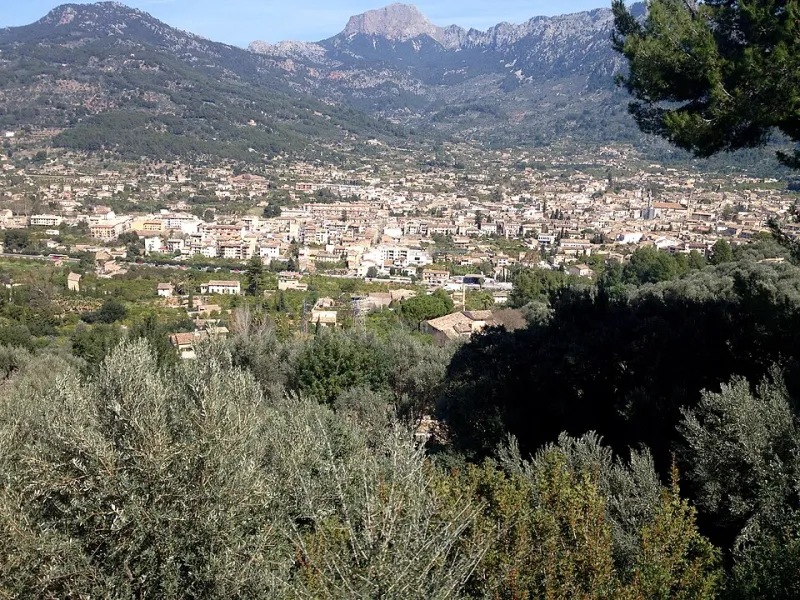
Photo: 妖精書士, CC0, via Wikimedia Commons
Ask people about the best trip of their lives, and they rarely describe the one that went according to plan. The honeymoon where everything ran on schedule blurs together. The one where the rental car broke down outside Flagstaff? That story gets told for thirty years.
At Maverick Chronicle, we've noticed something about the way American careers get made, too: an uncomfortable number of them started with a travel disaster. A canceled flight. A missed train. A wrong turn that put somebody in a city they never intended to see. Here are a few of our favorite examples — and what they teach the rest of us about booking with a loose grip.
The Temp Job That Wasn't Temporary
One of the most common origin stories we hear goes like this: a traveler gets stranded — weather, strike, doesn't matter — needs money, and takes a short-term gig in whatever city they happen to be stuck in. The plan was to leave in two weeks. The temp job turns into a career, the career into a calling.
It happens more than you'd think. Plenty of people who built long careers in hospitality, teaching, and tech will tell you they never chose the city at all — the city chose them, via a snowstorm in Atlanta or a canceled connection in Dallas. What looked like an interruption was actually an audition they didn't know they were taking.
The Entrepreneur Who Never Meant to Stay
Business founders tell a version of the same story. An unplanned stop — a conference rebooking, a diverted flight, a visit to a friend that ran long — and suddenly they're noticing something about a place. A neighborhood with no good coffee. A market nobody's serving. A gap that only an outsider would see, because locals stopped looking years ago.
Some of the most beloved small businesses in America exist because their founders were, briefly, strangers in town. Outsiders notice. Insiders assume.
Why the Detour Works
There's a reason the unplanned stop keeps producing results. When you travel on schedule, you see what you expected to see. When you're stranded, you see what's actually there. Forced stillness turns a tourist into a temporary local — and temporary locals ask better questions.
Psychologists have a version of this, too: novelty and mild disruption make the mind more flexible. The stranded traveler isn't just bored. They're primed to notice opportunities they'd scroll past at home.
How to Travel Like a Maverick
You can't schedule serendipity, but you can stop fighting it when it shows up. A few habits worth stealing:
- Build slack into every trip. The traveler with a free afternoon in a strange city is the one who finds the thing guidebooks missed.
- Say yes to the local invitation. The best restaurant recommendation of your life will never come from an app. It'll come from someone at the next table.
- Keep a small buffer fund. Not for emergencies — for opportunities. The detour that becomes a story usually costs a little money up front.
- Book the open jaw. Fly into one city, out of another. You'll be amazed what happens in the middle.
None of this means plan badly. It means plan lightly. The people in the stories above didn't have better luck than you — they had a looser grip on the itinerary.
The flight you're dreading might get canceled. The bus you're on might be the wrong one. Good. Look out the window. You might be exactly where you're supposed to be.