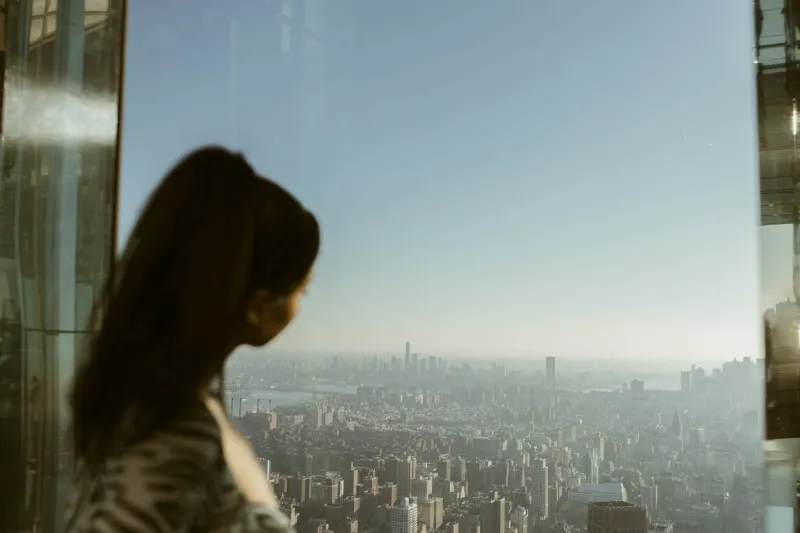
Far From Anywhere, Ahead of Everyone: The Case for America's Loneliest Zip Codes
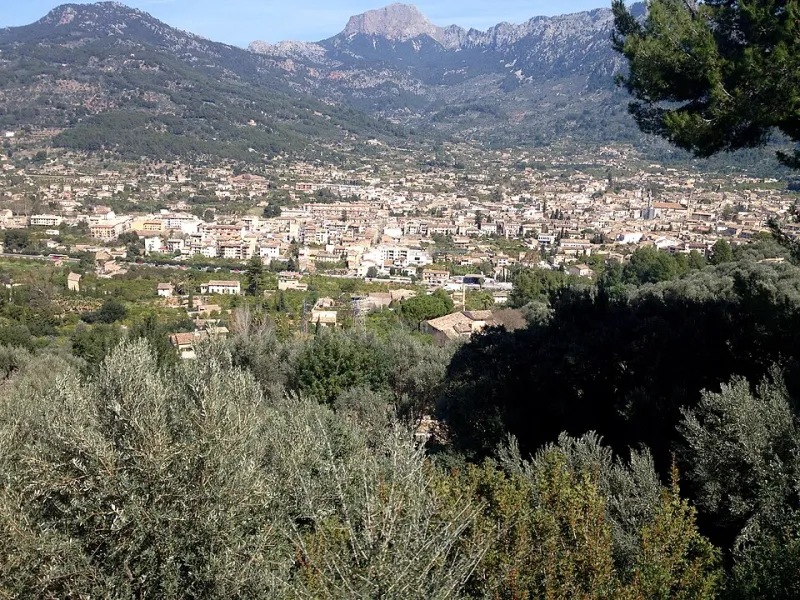
Photo: Killarnee, CC BY-SA 4.0, via Wikimedia Commons
Here's a pattern that doesn't show up in any economic development brochure: some of America's most original minds came from places you couldn't find on a map without squinting.
The novelist from a drought-scratched ranch town. The scientist who grew up where the nearest library was a bookmobile. The inventor raised in a fishing village where winter meant the road out disappeared. Once you start looking, the correlation is hard to unsee — the remotest corners of the country punch absurdly above their weight when it comes to producing people who think differently.
And I'd argue that's not luck. It's causation.
What Isolation Actually Does to a Mind
Spend time in a genuinely remote American place — an Alaskan bush community, a high desert hamlet, a prairie town where the grain elevator is the skyline — and you'll notice something. Nobody there is waiting to be told what's interesting.
When the nearest big city is six hours away, entertainment is a do-it-yourself project. Curiosity isn't a lifestyle brand; it's how you survive the long winter. Kids in these places tinker because there's nothing else to take apart. They read because the book is there. They imagine other lives because, geographically, they have to.
Contrast that with a dense, plugged-in metro, where every question has an instant answer and every taste is validated (or mocked) within seconds. Connection is wonderful. But connection at that speed can short-circuit the slow, bored, slightly lonely thinking from which originality is actually made.
The Historical Receipts
American history backs this up. The frontier produced outsized characters not because frontier people were genetically superior but because the environment selected for self-reliance and punished imitation. You couldn't copy someone else's solution if there was no one else around.
Consider the inventors and artists who came out of small, isolated towns and seemed perpetually surprised by the limits that stopped their urban peers. They hadn't learned what wasn't supposed to work — so they tried it. Isolation, it turns out, is a decent vaccine against convention.
There's also the matter of stakes. In a small, remote community, one person's skill matters immediately. The kid who can fix the generator becomes essential at fourteen. That early experience of mattering — of your competence having consequences — builds a kind of confidence that committee-dense cities are terrible at producing.
Why This Matters Now
Here's the uncomfortable part. America is consolidating. Talent, money, ambition — increasingly clustered in a handful of coastal megacities and a few booming sunbelt hubs. The remote towns are hollowing out, and we tend to talk about that as purely a loss for the towns.
But it might be a loss for the country.
If isolation really is an engine of originality — and the historical record suggests it at least is one — then a nation where nearly everyone lives in the same ten metros is a nation running fewer experiments. We'd be optimizing for collaboration while quietly starving the solitude that produces the people worth collaborating with.
The remote places are already doing their part. They keep shipping out kids who can improvise, endure, and think without an audience. The question is whether the rest of us will keep making room for what they bring back — or whether we'll finish paving the long roads that made them.
My bet: the next generation of mavericks is currently somewhere with one bar of signal, bored out of their mind, taking something apart. Go find them before the map does.