The Accidental President Who Rewrote America: How Nobody's Pick Became Everyone's Hero
The Man They Picked to Disappear
When Democratic Party bosses gathered in Chicago during the sweltering summer of 1944, they had one goal: find someone innocuous enough to serve as Franklin Roosevelt's running mate without overshadowing the master politician. They needed a placeholder, not a president.
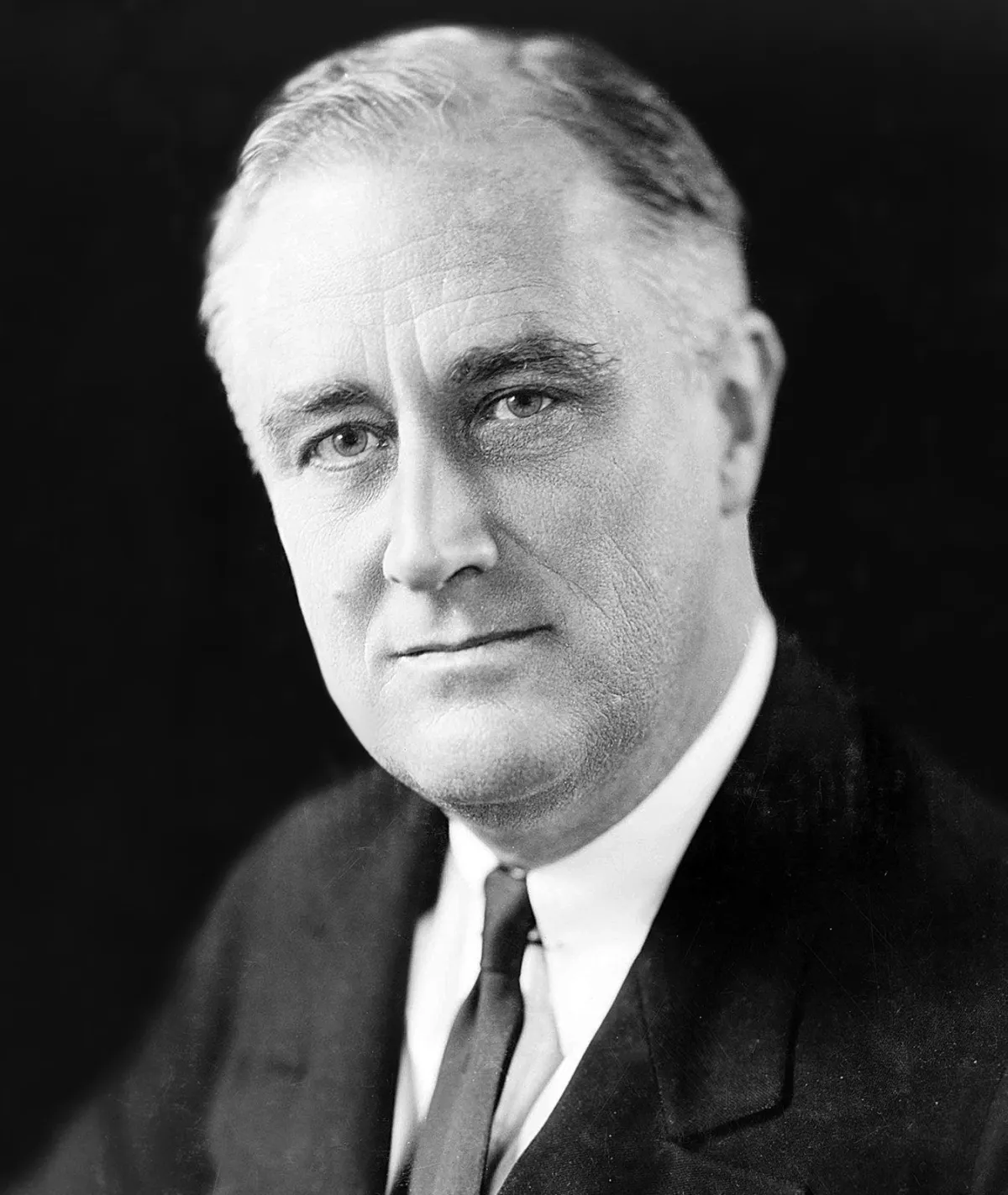 Photo: Franklin Roosevelt, via cdn.britannica.com
Harry S. Truman fit the bill perfectly.
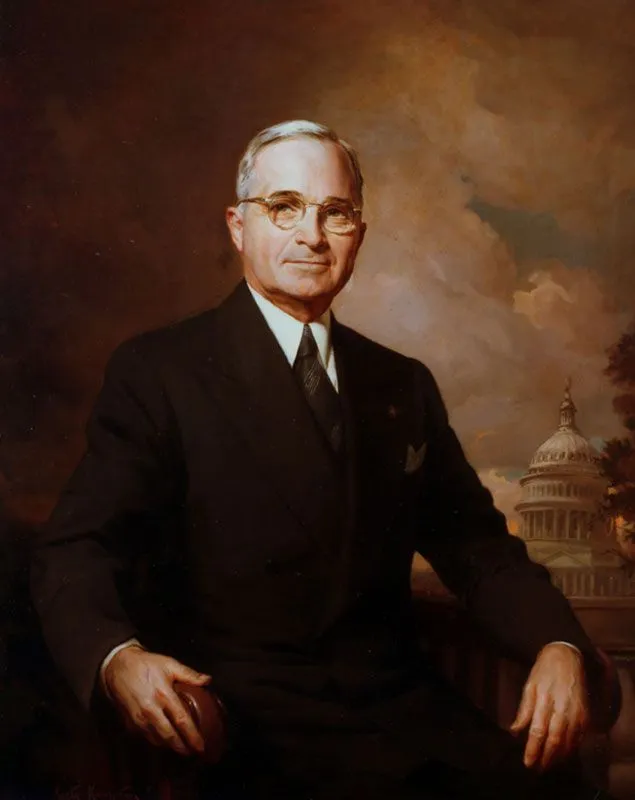 Photo: Harry S. Truman, via cdn.britannica.com
The senator from Missouri was pleasant but unremarkable, loyal but not ambitious, experienced enough to avoid embarrassment but obscure enough to pose no threat. He came from a swing state, had no major enemies, and most importantly, he had no obvious presidential aspirations.
"We wanted someone who would fade into the wallpaper," recalled Democratic operative Robert Hannegan years later. "Harry was our wallpaper candidate."
Truman himself seemed to understand his role. When reporters asked about his vice-presidential ambitions, he genuinely appeared surprised by the question. He was a Missouri farmer's son who had failed at business, served competently but quietly in World War I, and built a modest political career on the foundation of hard work and personal integrity.
Nobody — including Truman — expected him to become president.
The Moment Everything Changed
On April 12, 1945, Truman was enjoying a bourbon with Speaker of the House Sam Rayburn when an urgent call came from the White House. Roosevelt was dead. The man who had been chosen specifically because he would never need to lead was suddenly the most powerful person on earth.
Truman's first reaction was telling: "Boys, if you ever pray, pray for me now," he told reporters. "I don't know if you fellas ever had a load of hay fall on you, but when they told me what happened yesterday, I felt like the moon, the stars, and all the planets had fallen on me."
Washington insiders were terrified. Here was a man who had been kept out of major policy discussions, who knew nothing about the atomic bomb program, who had never traveled overseas as vice president, suddenly inheriting a world war and the most complex presidency in American history.
"We've got a catastrophe on our hands," one Democratic senator confided to his diary. "A small-town politician is about to run the free world."
They had no idea what they were about to witness.
The Decisions That Defined a Century
Within his first four months in office, Truman made choices that would reshape the global order for generations. Each decision revealed something remarkable: the "accidental president" possessed a moral clarity and decisiveness that his more polished predecessors often lacked.
The atomic bomb decision came first. Military advisors presented Truman with casualty estimates for a land invasion of Japan: potentially one million American deaths. The new president, who had served as an artillery captain in World War I and understood the cost of warfare in human terms, authorized the use of nuclear weapons to end the conflict quickly.
It was a decision no amount of political experience could have prepared him for, yet Truman made it with a certainty that surprised everyone in the room. "The buck stops here," became his motto — and he meant it literally.
The Marshall Plan: Generosity as Strategy
When Europe lay in ruins after the war, traditional diplomacy suggested that America should focus on securing favorable trade agreements and military bases. Instead, Truman backed an unprecedented plan to rebuild former enemies alongside allies, investing billions in European recovery with no guarantee of return.
The Marshall Plan was vintage Truman: practical idealism backed by Missouri common sense. "If we help them get back on their feet," he reasoned, "they'll be better customers and better neighbors."
Critics called it naive. History proved it brilliant. The Marshall Plan not only prevented Communist expansion in Western Europe but created the foundation for decades of American prosperity and influence.
Integration by Executive Order
Perhaps Truman's most courageous decision came in 1948 when he signed Executive Order 9981, integrating the U.S. military. Political advisors warned that the move would cost him the South and probably the presidency.
Truman's response was characteristically direct: "My forebears were Confederates... But my very stomach turned over when I learned that Negro soldiers, just back from overseas, were being dumped out of Army trucks in Mississippi and beaten."
The decision came not from political calculation but from personal conviction shaped by his Missouri upbringing, where his mother had taught him that all people deserved dignity regardless of race.
The Election Nobody Thought He Could Win
By 1948, Truman's approval ratings had plummeted. The Democratic Party was splitting apart, with Southern Democrats bolting over civil rights and liberal Democrats defecting to Henry Wallace's Progressive Party. Republicans were so confident of victory that their nominee, Thomas Dewey, began planning his cabinet before the election.
Truman responded with a 31,000-mile whistle-stop campaign across America, speaking directly to ordinary citizens in small towns and rural communities. While Dewey delivered polished speeches to elite audiences, Truman talked to farmers about crop prices, workers about union rights, and families about kitchen-table concerns.
"Give 'em hell, Harry!" someone shouted at a campaign stop.
"I don't give them hell," Truman replied. "I just tell the truth and they think it's hell."
On election night, the Chicago Tribune printed its famous "DEWEY DEFEATS TRUMAN" headline. By morning, the accidental president had won the most surprising upset in American political history.
The NATO Alliance: Rewriting American Isolation
Truman's most lasting achievement might be one few Americans think about: the creation of NATO. For 150 years, America had avoided permanent military alliances, following George Washington's warning against "foreign entanglements."
But Truman understood that the world had changed. Soviet expansion in Eastern Europe threatened not just European democracy but global stability. The Missouri farmer's son who had never traveled abroad before becoming president convinced Congress to approve America's first peacetime military alliance.
NATO has now lasted longer than any military alliance in modern history, surviving the Cold War and adapting to new challenges. It remains the foundation of Western security — all because an "accidental" president had the vision to see beyond traditional American isolation.
The Korea Decision: Drawing Lines
When North Korean forces invaded South Korea in 1950, Truman faced his most difficult choice. Military advisors warned that intervention could trigger World War III with China and the Soviet Union. Political advisors worried about domestic support for another foreign war.
Truman's decision to defend South Korea established the doctrine of containment that would guide American foreign policy for forty years. He understood that appeasement in Asia could encourage Soviet aggression elsewhere, potentially leading to a larger conflict.
The Korean War was unpopular and costly, contributing to Truman's decision not to seek re-election in 1952. But his willingness to take an unpopular stand preserved South Korean independence and demonstrated American resolve to allies worldwide.
The President Who Walked Away
Perhaps most remarkably, Truman voluntarily gave up power when he could have sought another term. Despite winning the 1948 upset, he chose not to run in 1952, believing that eight years was enough for any president.
He returned to Independence, Missouri, with no secret service protection, no presidential pension, and no corporate board positions. He lived modestly on his Army pension and income from his wife's family farm, occasionally giving paid speeches to make ends meet.
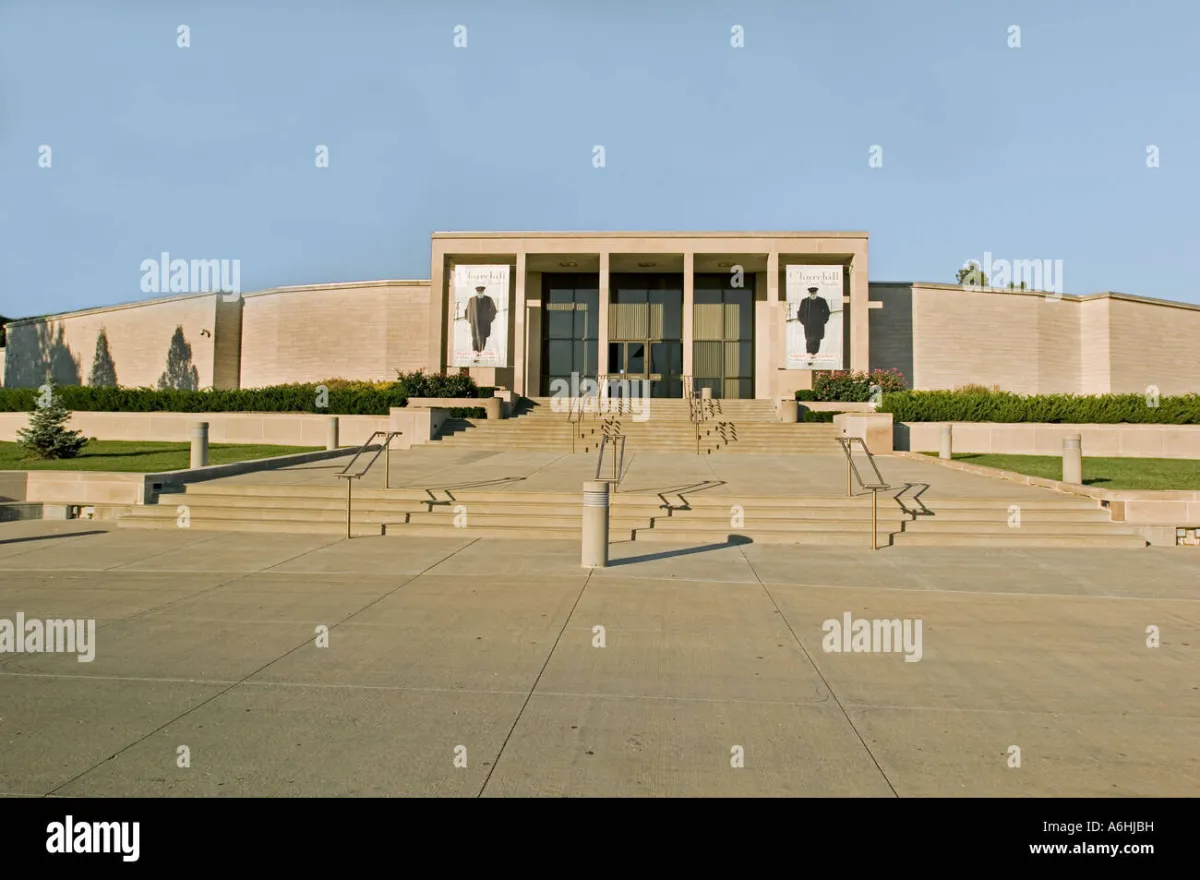 Photo: Independence, Missouri, via c8.alamy.com
"I never gave anybody hell," he reflected in retirement. "I just told the truth and they thought it was hell."
The Legacy of Low Expectations
Harry Truman's presidency reveals something profound about American leadership: sometimes the best presidents are the ones nobody expects to be great. Free from the burden of fulfilling grand expectations, Truman could focus on doing what he thought was right rather than what was politically expedient.
His decisions — from the atomic bomb to NATO, from integration to the Marshall Plan — were made not by a career politician calculating electoral advantage, but by a former haberdasher applying Midwestern common sense to global problems.
Today, historians consistently rank Truman among America's greatest presidents. The man chosen to be invisible became impossible to ignore, proving that sometimes the most powerful leadership comes from the most unlikely places.
In a democracy, perhaps that's exactly as it should be.