Paper Promises, Real Legacy: The Con Man Who Built America's Most Trusted Institution

The Art of Necessary Fiction
William "Bill" Patterson stepped off the train in Chicago with three things: a suitcase held together with rope, seventeen dollars in his pocket, and a résumé that was pure creative writing. It was November 1932, and America was drowning in the Great Depression. Millions of qualified men couldn't find work, but Patterson—who had never spent a day in college, never worked for any of the companies listed on his application, and whose only management experience was running a traveling card game—was about to land a job at a struggling financial services firm.
What happened next would become either the greatest con in American business history or the most audacious act of self-made meritocracy ever attempted. Maybe both.
When Desperation Meets Opportunity
The Midwest Mutual Insurance Company was hemorrhaging money and customers. Founded in 1898 by the sons of German immigrants, it had survived the Panic of 1907 and the economic chaos of World War I, but the Depression was different. By late 1932, they were down to twelve employees and facing bankruptcy within months.
That's when Patterson walked through their doors, claiming to be a Harvard Business School graduate with five years of experience at Metropolitan Life. His confidence was magnetic, his ideas fresh, and his references—well, nobody was calling New York in those days. Long-distance calls cost a fortune, and besides, what choice did Midwest Mutual have?
They hired him as Assistant Operations Manager for thirty-five dollars a week.
The Imposter's Education
What Patterson lacked in credentials, he made up for in hunger. While his new colleagues went home each evening, he stayed behind, teaching himself actuarial science from borrowed textbooks. He memorized insurance regulations, studied competitor policies, and most importantly, he listened to customers—really listened.
The established insurance industry treated clients like statistics. Patterson treated them like neighbors. He instituted policies that seemed revolutionary: same-day claim processing, house calls for major policies, and—most shocking of all—plain English contracts that ordinary people could actually understand.
"He had this way of explaining insurance that made you feel like he was looking out for your family personally," recalled Margaret Kowalski, whose 1934 claim was the first Patterson processed himself. "Other companies made you feel like you were bothering them. Bill made you feel like you were part of something."
Building Trust on Borrowed Time
By 1935, Midwest Mutual's customer base had tripled. Patterson had been promoted twice and was now running day-to-day operations. But success brought scrutiny, and scrutiny meant someone might eventually make those phone calls to verify his background.
Instead of running, Patterson did something unprecedented: he told the truth.
In a letter to company president Friedrich Zimmermann, Patterson confessed everything. No Harvard degree. No Metropolitan Life experience. No legitimate qualifications beyond three years of proving himself indispensable to a company that was now thriving specifically because of his innovations.
Zimmermann's response was swift: he promoted Patterson to Vice President and made him a partner in the firm.
The Philosophy of Earned Authority
"Credentials tell you where someone has been," Patterson would later write in his 1954 memoir, "Making Good on Bad Paper." "Character tells you where they're going."
Under Patterson's leadership, Midwest Mutual—renamed American Family Trust in 1938—became a case study in customer-first business practices. They pioneered the concept of transparent pricing, eliminated hidden fees, and created the first customer service training program in the insurance industry.
 Photo: American Family Trust, via compex.com.au
By 1950, American Family Trust was the third-largest insurance provider in the Midwest. By 1960, they had offices in thirty-eight states. The company that almost died in 1932 was now setting industry standards that competitors struggled to match.
The Paradox of Authentic Fraud
Patterson's story raises uncomfortable questions about how merit actually works in America. He lied his way into a position, then performed that position better than people with legitimate qualifications. He built an institution on false pretenses that became more trustworthy than organizations founded on genuine credentials.
Was he a con man who accidentally became legitimate? Or was he always legitimate, just lacking the paperwork to prove it?
"The real fraud wasn't Bill's fake résumé," observed business historian Dr. Janet Morrison. "The real fraud was a system that valued credentials over capability, pedigree over performance. Bill just exposed how arbitrary those barriers really were."
Legacy of the Unlikely
Patterson died in 1972, having transformed a failing insurance company into an American institution. American Family Trust continues to operate today, still following many of the customer service principles he established eight decades ago. The company has never had a major scandal, has consistently ranked among the top customer satisfaction ratings in the industry, and has paid out over $50 billion in claims—all built on the foundation of one man's desperate, audacious lie.
In his office until the day he retired, Patterson kept a framed copy of his original fake résumé alongside his legitimate achievements: honorary degrees from three universities, industry leadership awards, and testimonials from thousands of satisfied customers.
The message was clear: sometimes the most honest thing you can do is lie about who you are long enough to become who you're meant to be.
The Real Credentials
William Patterson never did get that Harvard degree. But he built something more valuable: a company that outlasted every "legitimate" competitor of his era, a business philosophy that influenced an entire industry, and proof that in America, what you do matters more than where you came from.
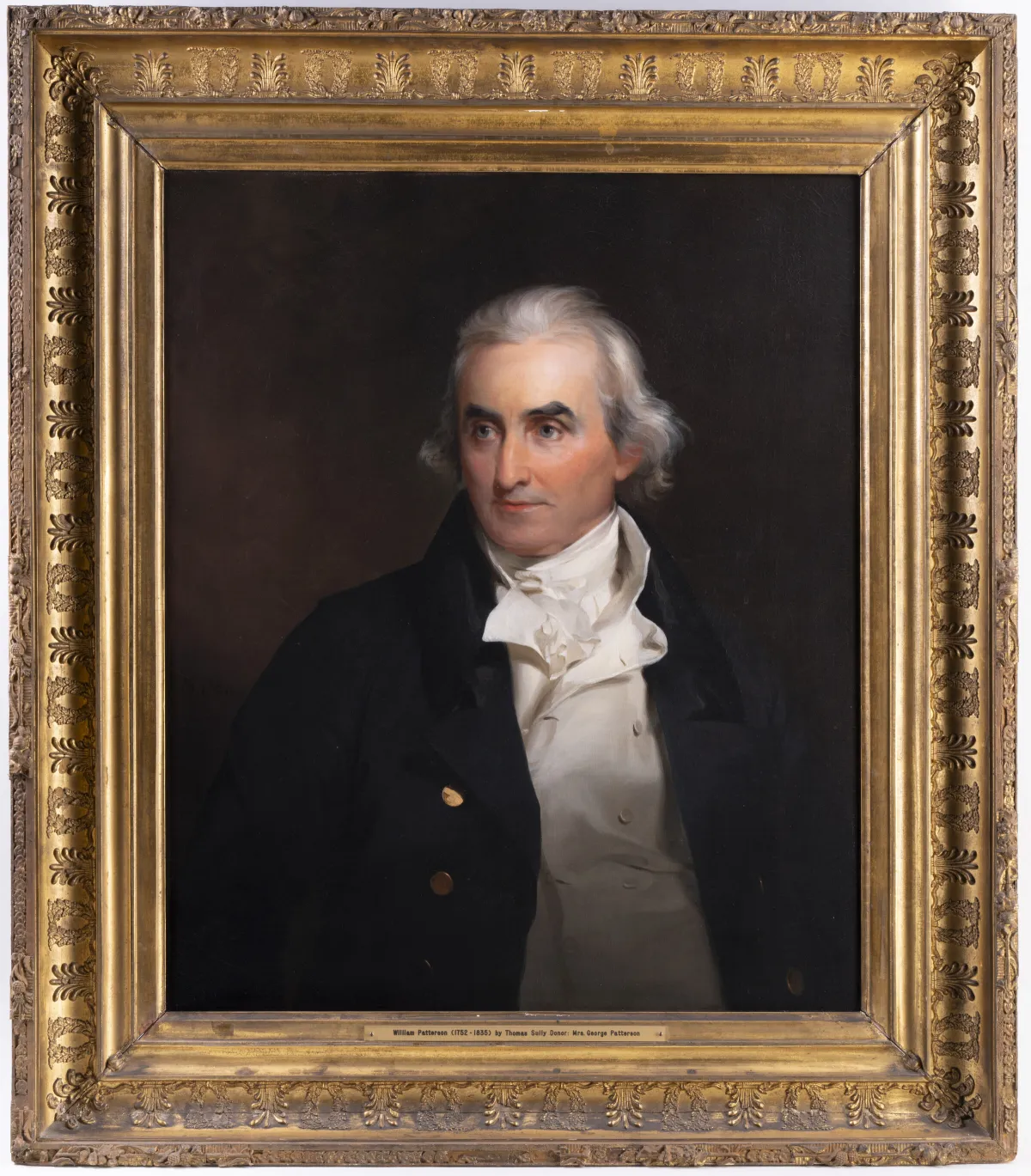 Photo: William Patterson, via damscdn.mdhistory.org
Sometimes the best qualifications are the ones you earn after you get the job.