
The Beautiful Thing About Being Unwanted
Some athletes are born with golden tickets – the perfect height, the ideal build, the genetic lottery jackpot that makes scouts drool and coaches dream. Then there are the others: the ones who get cut, passed over, told they're not quite good enough.
These five athletes belonged to that second group. What they lacked in natural gifts, they made up for with something far more dangerous: the burning need to prove everyone wrong.
1. Kurt Warner – The Grocery Store Quarterback
What They Said: "Nice arm, kid, but you're not NFL material."
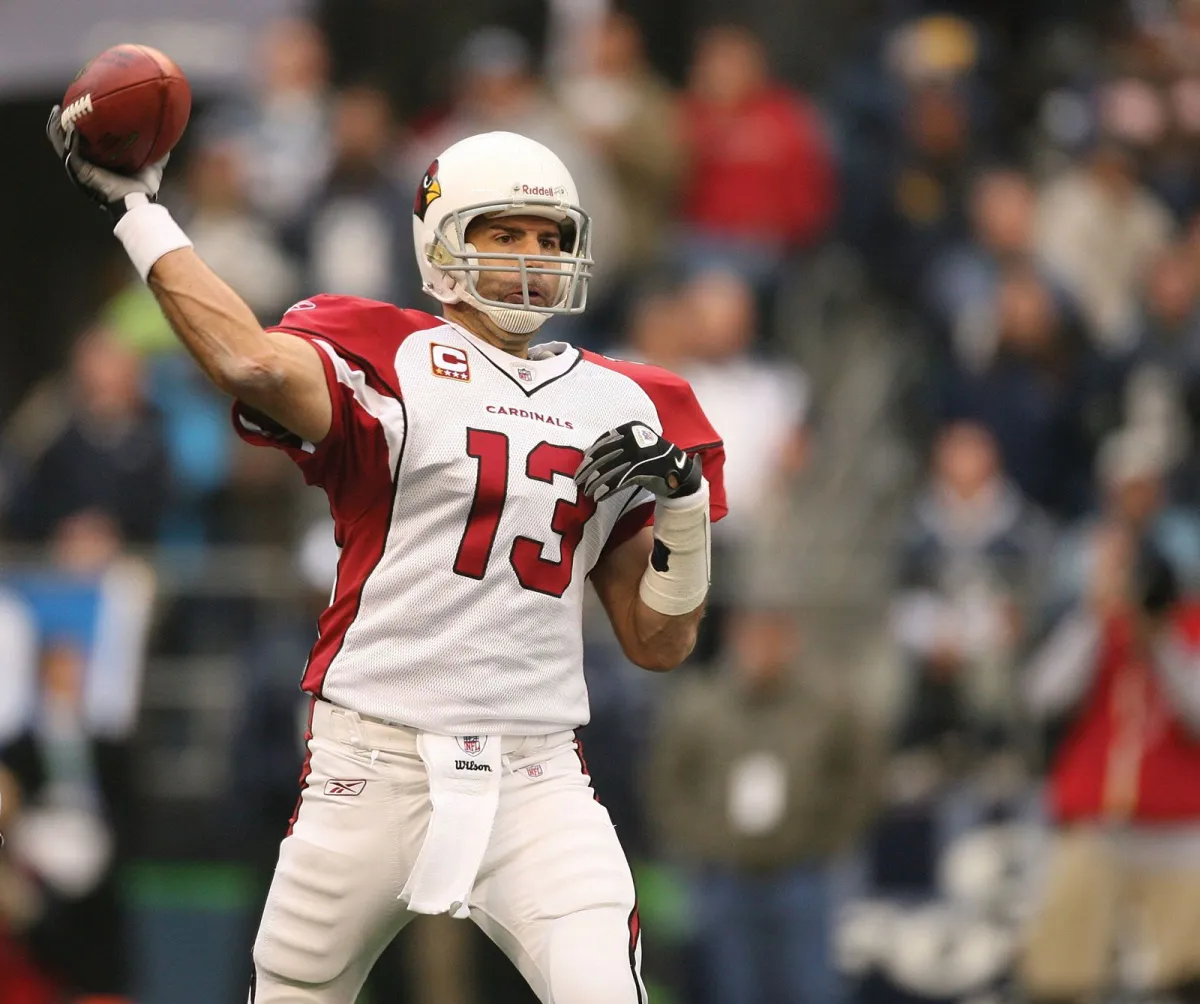 Photo: Kurt Warner, via cdn.britannica.com
What He Did: Stocked shelves at a Hy-Vee supermarket in Iowa while dreaming of the NFL.
Kurt Warner's path to Canton reads like something out of a sports movie – if sports movies were allowed to be this ridiculous. After going undrafted out of Northern Iowa, Warner spent his early twenties throwing footballs in the Arena Football League and bagging groceries for $5.50 an hour.
NFL scouts had written him off as too small, too slow, and too much of a product of a small-school system. When the St. Louis Rams finally gave him a shot in 1999, it was only because their starter got injured and their backup wasn't ready.
Warner responded by throwing for 4,353 yards and 41 touchdowns, leading the "Greatest Show on Turf" to a Super Bowl championship. He'd win two MVP awards and make the Hall of Fame, all while proving that sometimes the best quarterbacks come from the produce aisle, not the first round.
The lesson? When you've spent years wondering if you'll ever get a real chance, you don't waste it when it finally comes.
2. Ben Wallace – The Undrafted Giant Killer
What They Said: "At 6'9", he's too small to play center and not skilled enough to play forward."
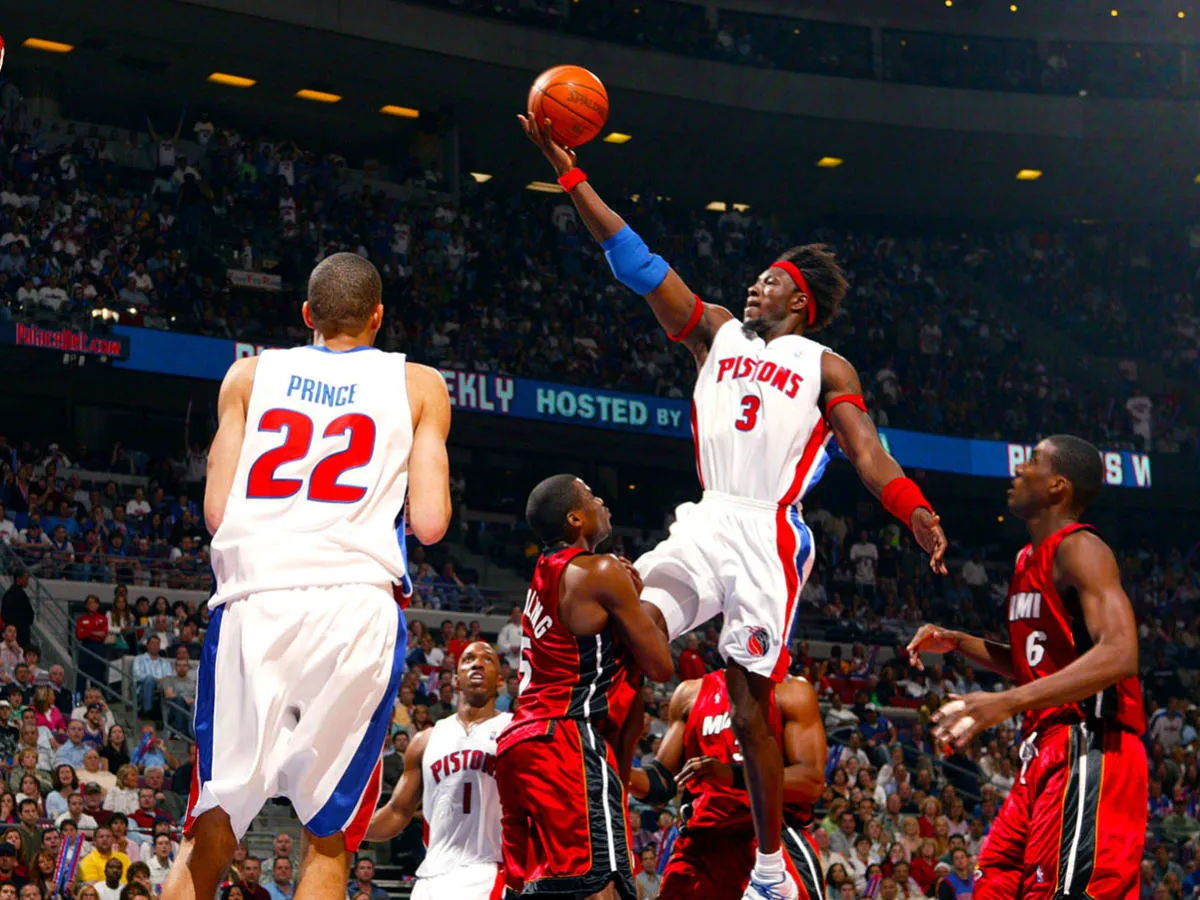 Photo: Ben Wallace, via www.si.com
What He Did: Became the only undrafted player to win Defensive Player of the Year four times.
Ben Wallace's basketball journey started at a Virginia Union, a Division II school that most NBA scouts couldn't find on a map. At 6'9" and 240 pounds, he was considered too undersized for the NBA's interior and too limited offensively to play anywhere else.
After going undrafted in 1996, Wallace bounced between the Washington Bullets and Orlando Magic as a benchwarmer. Teams saw him as a hustle player at best, a roster filler at worst.
Then Detroit took a chance on the unwanted big man, and Wallace transformed into one of the most dominant defensive forces in NBA history. His wild afro became iconic, his shot-blocking legendary, and his rebounding supernatural. He anchored the 2004 Pistons team that shocked the heavily favored Lakers in the Finals.
Wallace proved that in basketball, heart can overcome height, and determination can trump natural talent. Sometimes the best players aren't the ones everyone wants – they're the ones nobody else believed in.
3. Doug Flutie – The Little Giant
What They Said: "He's 5'10" on a good day. NFL quarterbacks don't come that small."
What He Did: Became the only quarterback under 6 feet to throw for over 10,000 yards in the NFL.
Doug Flutie's Hail Mary pass to beat Miami in 1984 made him a college football legend and Heisman Trophy winner. But NFL scouts saw a novelty act, not a franchise quarterback. At 5'10" and 180 pounds, he was deemed too short to see over NFL offensive lines and too light to survive NFL hits.
The league proved its skepticism by letting Flutie slip to the 11th round of the 1985 draft, where the Los Angeles Rams picked him as an afterthought. When that didn't work out, he spent six years in the Canadian Football League, where he became the most dominant player in league history.
Flutie's CFL success eventually earned him another NFL shot with Buffalo in 1998. At age 36, when most quarterbacks are considering retirement, Flutie led the Bills to the playoffs for the first time in years. He threw for over 10,000 yards in his NFL career and made the Pro Bowl, proving that size matters less than the size of your fight.
4. Muggsy Bogues – The Giant Among Giants
What They Said: "5'3" players don't play in the NBA. Period."
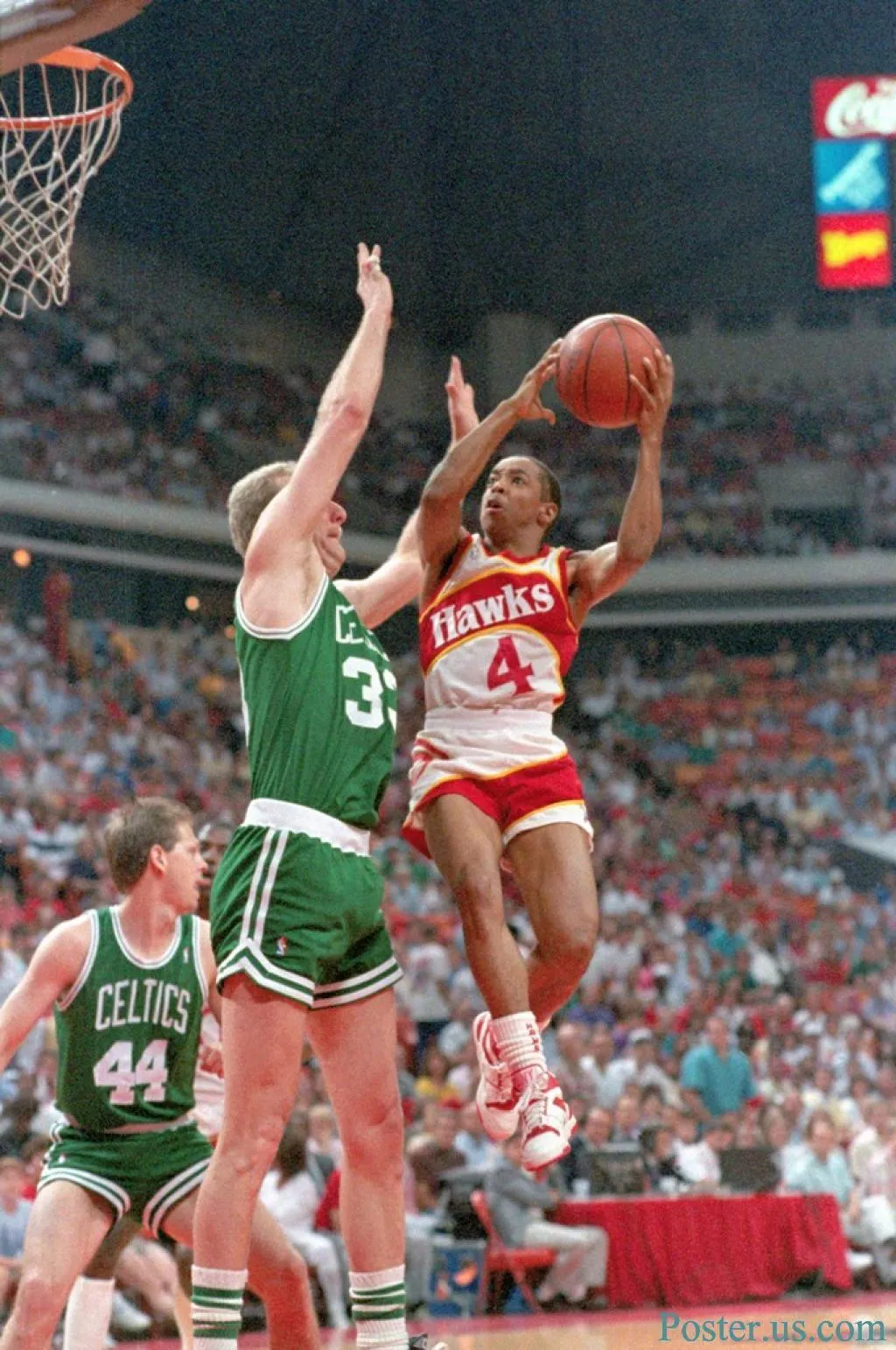 Photo: Muggsy Bogues, via wallpapercave.com
What He Did: Played 14 seasons and dished out over 6,000 assists while surrounded by players a foot taller.
Tyrone "Muggsy" Bogues faced a simple mathematical problem: at 5'3", he was shorter than most high school players, let alone NBA stars. College recruiters politely declined. NBA scouts didn't even bother watching.
But Bogues had something that couldn't be measured in combine drills: an understanding of basketball geometry that bordered on genius. He saw passing lanes others missed, anticipated plays before they developed, and somehow survived in a league of giants through pure basketball intelligence.
Drafted 12th overall by Washington in 1987 (higher than many expected), Bogues carved out a 14-year career that included 10 seasons as a starting point guard. He averaged 7.7 assists per game for his career and never let his height become a limitation – it became his superpower.
Bogues proved that basketball isn't just about reaching high – sometimes it's about thinking fast and playing smart.
5. Rudy Ruettiger – The Walk-On Who Walked Into Legend
What They Said: "You're 5'6", 165 pounds, and not fast enough. Notre Dame football isn't for you."
What He Did: Became the most famous walk-on in college football history.
Daniel "Rudy" Ruettiger's story is so improbable it required a Hollywood movie to make people believe it actually happened. Too small for a scholarship, too slow for serious consideration, Rudy spent two years at Holy Cross Junior College just hoping to transfer to Notre Dame.
When he finally made it to South Bend, Rudy spent three years on the practice squad, serving as a human tackling dummy for scholarship players headed to the NFL. Coaches saw him as a good kid with heart but no realistic chance of ever playing in an actual game.
In his final season, Rudy finally got his moment: the last 27 seconds of the final home game against Georgia Tech. He recorded one tackle, but that single play became one of the most famous moments in college football history. His teammates carried him off the field – the only Notre Dame player ever honored that way.
Rudy proved that sometimes the greatest victories aren't measured in statistics but in the simple act of refusing to quit when everyone expects you to.
The Reject's Advantage
What connected these five athletes wasn't talent – it was hunger. When you've been told you're not good enough, when you've watched others get opportunities you were denied, when you've had to fight for every chance, you develop something that can't be taught: desperation.
Desperation makes you work harder in the off-season. It makes you study film longer, practice more intensely, and never take a single opportunity for granted. It turns every game into a chance to prove the doubters wrong and every success into validation of your belief in yourself.
Being the last pick, the afterthought, the "he'll never make it" guy isn't a disadvantage – it's rocket fuel. These five athletes proved that sometimes the best thing that can happen to you is having everyone count you out.
Because when you have nothing to lose, you play like it.