From Death's Door to Nature's Voice: The Funeral Home Kid Who Saved America's Wild Spaces
An Education in Endings
Most children learn about life and death through goldfish and grandparents. Eleanor Whitman learned through daily exposure to both, growing up as the daughter of the only funeral director in Glacier County, Montana. While other kids played hopscotch, she was quietly observing how flowers wilted in different seasons, which plants the mourning families chose, and why certain arrangements lasted longer than others.
It was an unusual childhood that would prepare her for an even more unusual career: becoming the most important naturalist you've never heard of.
Born in 1923, Eleanor spent her formative years in the shadow of Glacier National Park, in a town where death was the family business and wilderness was the backyard. Her father, Thomas Whitman, handled final arrangements for everyone from railroad workers to Blackfeet tribal members, and Eleanor often accompanied him on calls to remote homesteads and reservation lands.
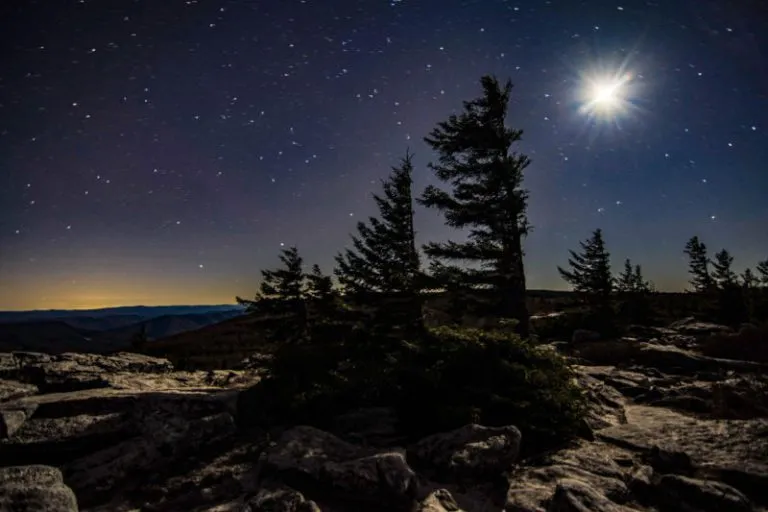
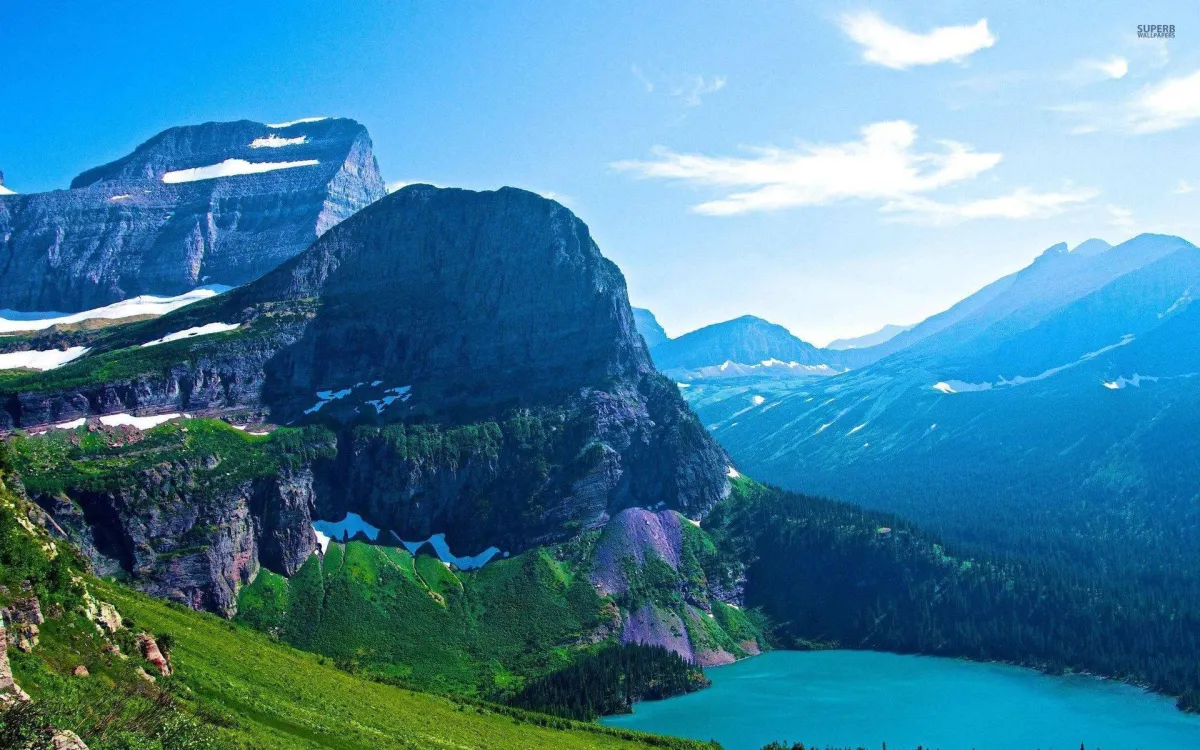 Photo: Glacier National Park, via wallpapers.com
"Death teaches you to pay attention to life," she would later write. "When you spend your childhood around endings, you develop an eye for what's worth preserving."
The Accidental Scientist
Eleanor never intended to become a naturalist. In 1941, she enrolled at Montana State to study teaching, planning to return home and work at the local school. But World War II changed everything. With most young men overseas, the National Park Service was desperate for seasonal help, and Eleanor's familiarity with the backcountry made her an obvious choice.
What was supposed to be a summer job became a forty-year calling.
Her first assignment was routine: catalog plant species in the remote northwest section of Glacier National Park. But Eleanor's approach was anything but standard. While university-trained botanists focused on individual specimens, she documented entire ecosystems—how plants related to each other, to the soil, to the wildlife, to the changing seasons.
"She saw the forest, not just the trees," recalled Dr. James Hoffman, who worked with Eleanor in the 1960s. "Academic botanists were trained to isolate and categorize. Eleanor was trained by life to see connections."
The Funeral Home Advantage
Eleanor's unconventional background became her greatest asset. Years of helping families choose meaningful arrangements had taught her to see beauty in unexpected places. Hours spent in her father's flower cooler had given her an intuitive understanding of plant preservation. Most importantly, a childhood spent comforting the grieving had developed her ability to listen—to families, to communities, and eventually, to the land itself.
While academic researchers parachuted into study sites for brief field seasons, Eleanor lived year-round in the ecosystem she was documenting. She knew which meadows bloomed first after snowmelt, which streams ran dry in drought years, which animal paths indicated changing migration patterns.
She also knew the local people—ranchers, loggers, tribal elders—who had been observing these same landscapes for generations. Academic scientists often dismissed such "anecdotal" knowledge. Eleanor collected it like pressed flowers, understanding that indigenous wisdom and rural observation contained scientific insights that no university lab could replicate.
Documenting the Disappearing
By the 1950s, Eleanor had identified a crisis that the established scientific community was just beginning to recognize: entire ecosystems were vanishing faster than they could be studied. Post-war development, industrial agriculture, and resource extraction were transforming landscapes that had remained stable for centuries.
Eleanor's response was characteristically direct: if she couldn't save these places, she would at least ensure they weren't forgotten.
Working with minimal funding and no institutional support, she launched the most comprehensive documentation project in American conservation history. Using techniques she had learned from her father's meticulous record-keeping, Eleanor created detailed files on thousands of plant communities, complete with photographs, pressed specimens, soil samples, and extensive notes on ecological relationships.
But her real innovation was storytelling. For each ecosystem, Eleanor wrote narratives that captured not just scientific data, but the lived experience of these places—how they looked in different seasons, sounded at different times of day, smelled after rain or during drought.
The Voice Nobody Expected
"Eleanor wrote about wilderness the way most people write about their childhood home," observed nature writer Annie Dillard. "With intimacy, specificity, and love."
Eleanor's documentation style was revolutionary precisely because it wasn't academic. Her reports read like love letters to landscapes, combining rigorous scientific observation with poetic description and historical context. She understood that to save wild places, you first had to help people fall in love with them.
When the environmental movement gained momentum in the 1960s, Eleanor's decades of documentation became invaluable. Her files contained the baseline data that conservation organizations needed to demonstrate what was being lost. Her photographs provided visual evidence of ecological change. Her writing gave voice to places that couldn't speak for themselves.
The Underground Network
Despite her growing influence, Eleanor remained largely invisible to the mainstream scientific establishment. She published in regional journals, worked through local conservation groups, and built her reputation through grassroots networks rather than academic institutions.
This outsider status became a strength. Unencumbered by university politics or grant requirements, Eleanor could focus on long-term observation and community relationships. She became a trusted bridge between indigenous knowledge-keepers, local communities, and environmental organizations.
"Eleanor knew every plant, every bird, every story of every place she studied," recalled Blackfeet elder Joseph Medicine Horse. "But more than that, she knew why they mattered to the people who lived there. That's what made her different from other scientists."
Legacy Written in Living Systems
Eleanor Whitman died in 1994, having documented over 15,000 plant communities across the northern Rocky Mountains. Her archives, now housed at the University of Montana, contain what many consider the most comprehensive record of pre-development ecosystems in the American West.
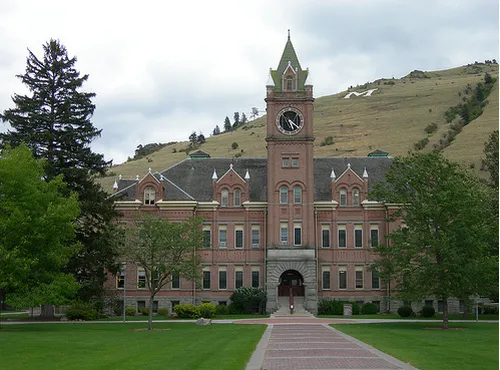 Photo: University of Montana, via www.universityreview.org
But her true legacy lives in the landscapes she helped preserve. Eleanor's documentation provided crucial evidence for the protection of over 2 million acres of wilderness, including expansions to Glacier National Park and the creation of several National Wildlife Refuges.
More importantly, she changed how conservation science approaches community knowledge. The collaborative methodology she pioneered—combining academic research with indigenous wisdom and local observation—is now standard practice in ecological studies worldwide.
The Outsider's Eye
Eleanor's story reveals something profound about how scientific understanding actually develops. The most important discoveries often come not from established experts, but from careful observers with unconventional perspectives.
Her childhood in the funeral business taught her that attention to detail matters, that every ending contains information about the life that preceded it, and that preservation requires both scientific rigor and emotional connection.
These lessons, learned in the shadow of death, became the foundation for a career dedicated to protecting life in all its wild complexity.
"Science doesn't belong only to scientists," Eleanor wrote in her final journal entry. "It belongs to anyone curious enough to look closely and brave enough to care about what they see."
She spent seventy years proving that point, one ecosystem at a time.